Historical Commission Denies Permission to Demolish House on East Amherst Common
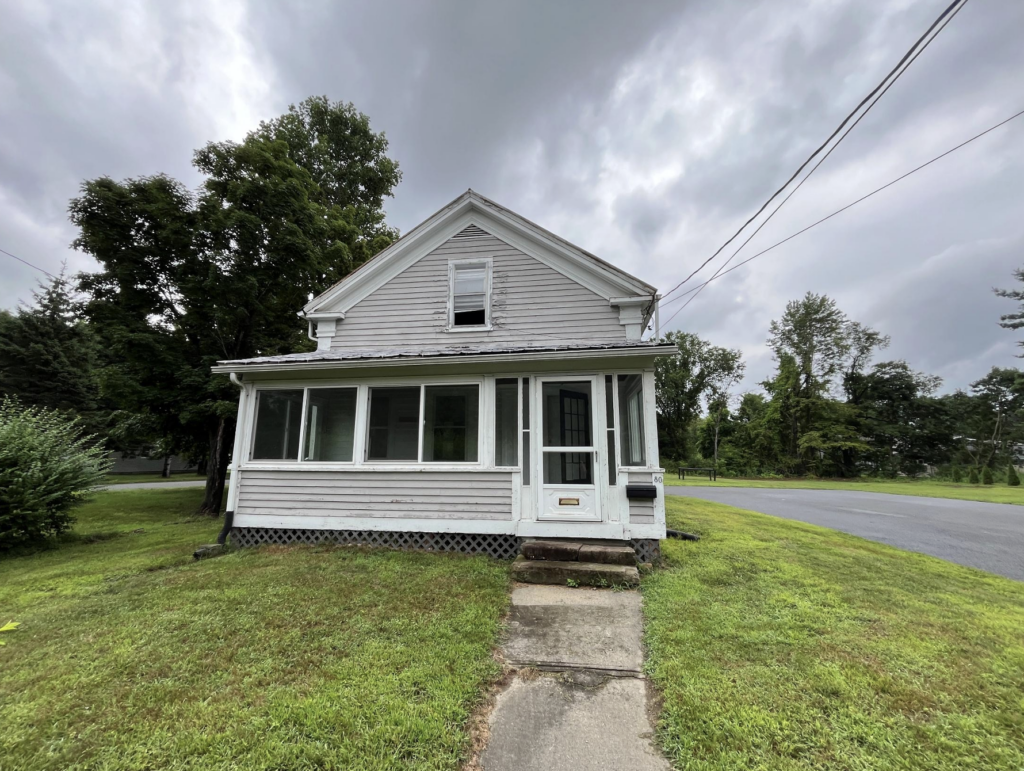
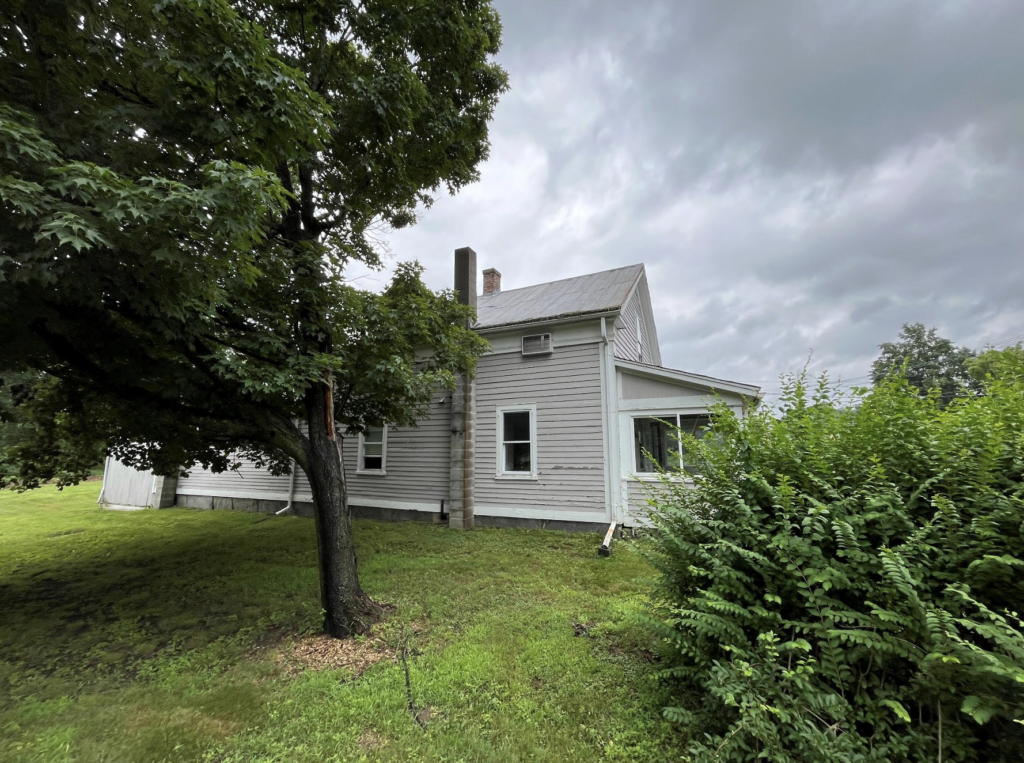
An 1851 Greek Revival; house on the East Amherst Common at 80 South East Street was denied a demolition permit by the Amherst Historical Commission. Photo: amherstma.gov
Report on the Meeting of the Amherst Historical Commission, February 9, 2026
By Hilda Greenbaum
This meeting was held over Zoom and was recorded.
Present
Robin Fordham (Chair), Pat Auth, George Baitinger, Joel Greenbaum, Mackenzie Landsittel, and Hetty Startup (1 vacancy)
Staff: Walker Powell (Planner)
The Amherst Historical Commission (AHC) denied owner Agnes Ting permission to demolish a 1851 Greek Revival house at 80 South East Street, placing a one-year delay on the demolition while encouraging her to develop an alternative plan that would maintain at least the historic front portion of the building. The Historical Commission members unanimously agreed that the house was one of the few remaining 19th-century artisan’s houses in East Amherst and could be a linchpin in the proposed East Amherst local historic district. According to historical records, the one-and-a-half-story house originally belonged to Ephraim Sabin, a blacksmith.
At the December 15 AHC meeting, Ting stated that the extensive repairs she has made to the property since she purchased it in 2004 have only been temporary because the foundation is deteriorating and water continues to seep into the basement, and the floor is uneven. She maintained that renovating the house to meet the new building code would be too expensive. She would like to raze the structure to make room for a two-or three-unit apartment building. She said the building had outlived its usefulness to her.
Planner Walker Powell noted that the house appeared on an 1833 map, which may indicate that it is older than the 1851 date in the Massachusetts Cultural Resource Information System (MACRIS) records. The commission had requested more information about the condition of the house before making a decision on the demolition.
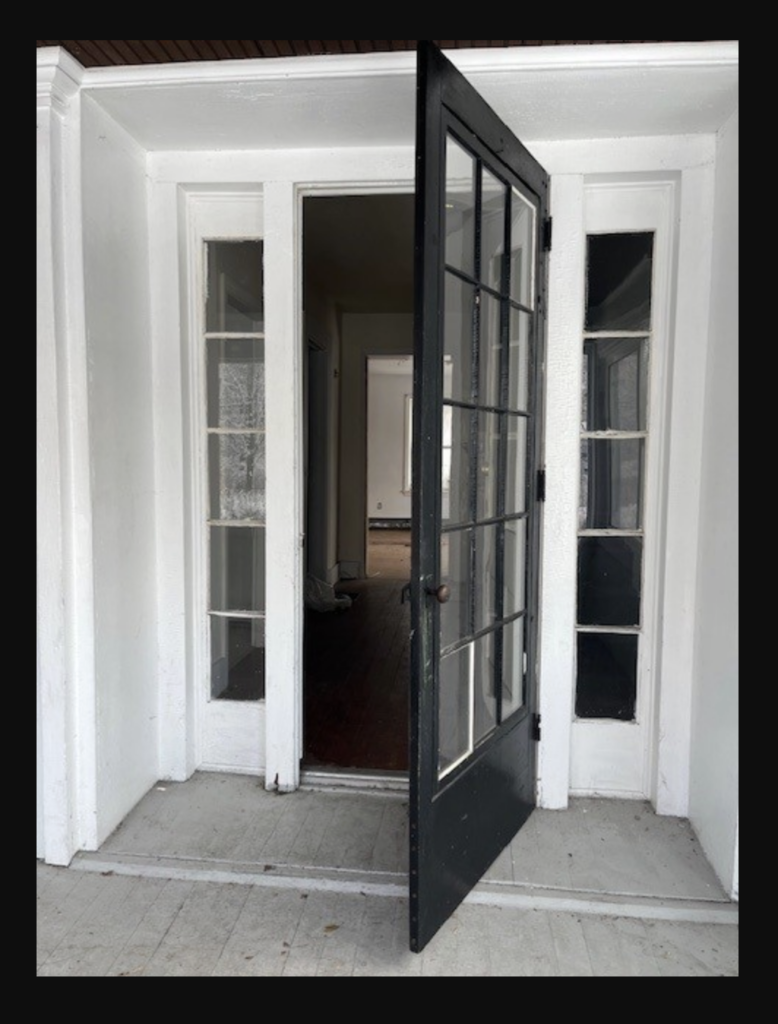
A site visit by several AHC members revealed that the original front door with sidelights and Greek pilasters is intact behind the added front screen porch. Also, the original staircase and wide pine floors remain.
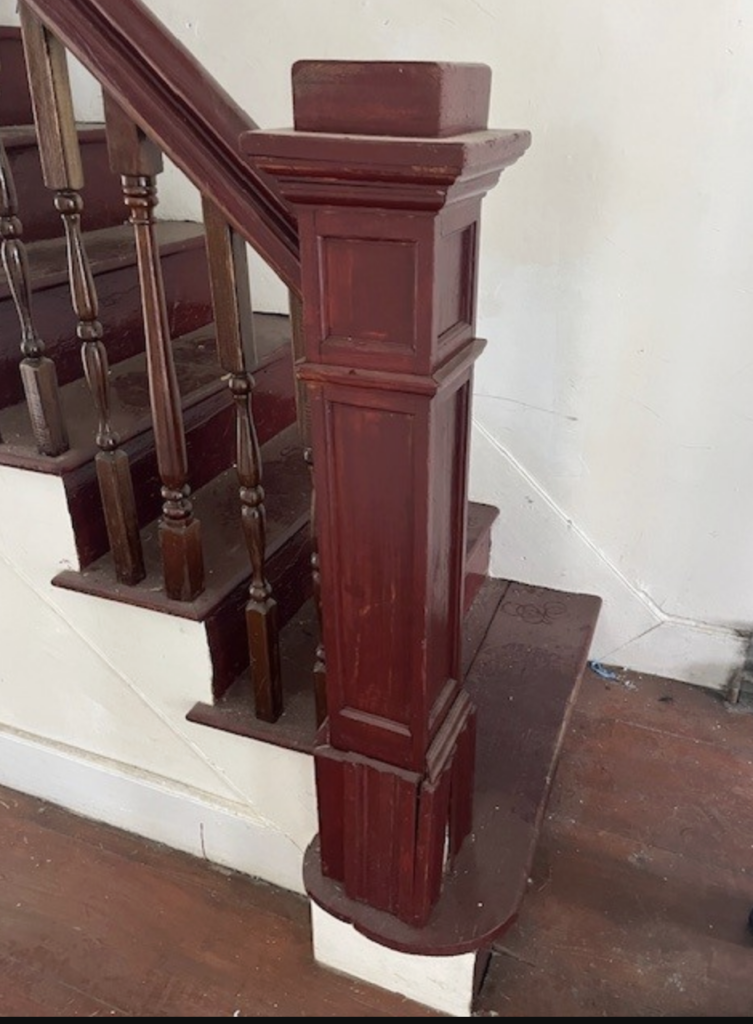
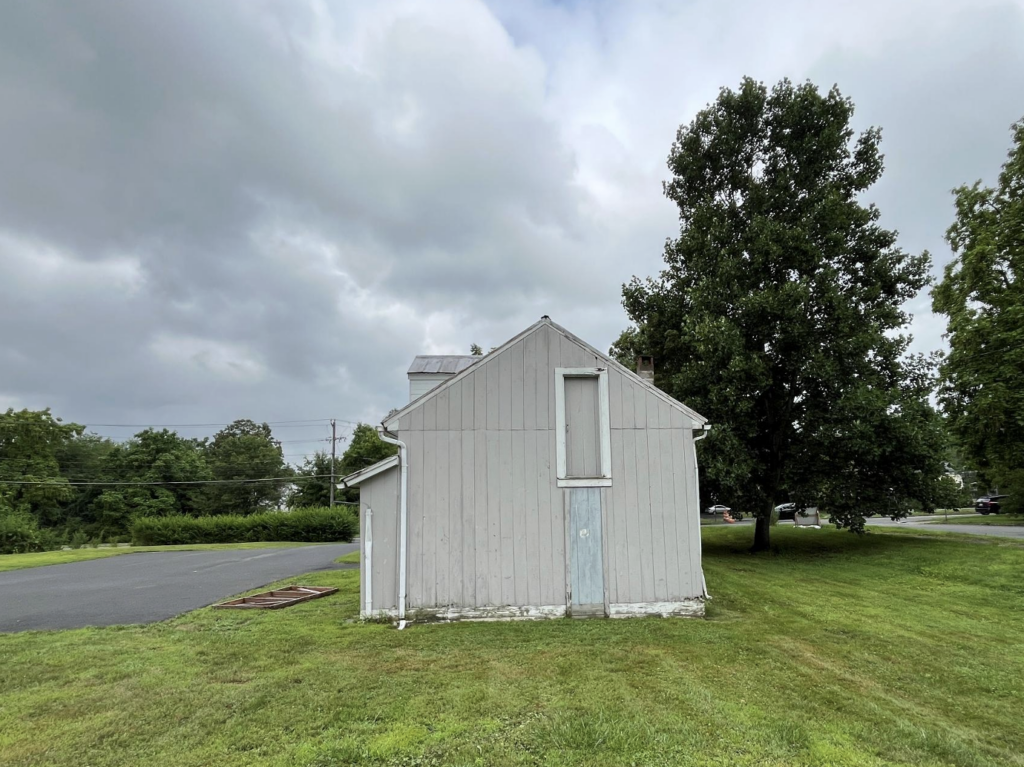
The house once had an associated barn that was demolished in the 1970’s. AHC members strongly wanted to retain the front-of-house that is visible from the street and common. They were less concerned about the one-story portion at the rear. Commission member Joel Greenbaum suggested that Ting demolish the rear ell and turn the front portion into a two-bedroom accessory dwelling unit (ADU) that is allowed by right if it is 900 square feet or less. (He was unsure if the front porch would be counted toward the living area. If so, it might mean that the ADU would be more than 900 square feet). Ting could then construct a new duplex on the lot. If the East Amherst Local Historic District becomes a reality, the design for new construction would have to be compatible with the district’s design guidelines.
The lot size is 24,700 square feet. In the Neighborhood Residence (R-N) zone, 26,000 square feet is needed to construct a duplex, but the Zoning Board of Appeals has approved duplexes on smaller lots on Main Street and downtown. Also, the Planning Board is discussing creating an overlay district in East Amherst that would allow increased density in the area.
Ting was represented at this hearing by Attorney Tom Reidy of Bacon, Wilson, LLC.
The AHC voted unanimously to issue a demolition delay on the property for up to 12 months. Commission members stated that they would permit demolition of the rear of the building, but encouraged Ting to return with plans to preserve the portion of the house facing the common. Although Reidy expressed concern that, when the issue was returned to the commission, new members might not consent to demolishing even part of the building, the motion passed at the meeting explicitly stated that the front of the building, with historical significance, should be preserved preferentially. The demolition delay on the rear ell can be lifted once such a plan is finalized.