
Council Passes Clean Energy Bylaw with Amendments to Protect Private Wells
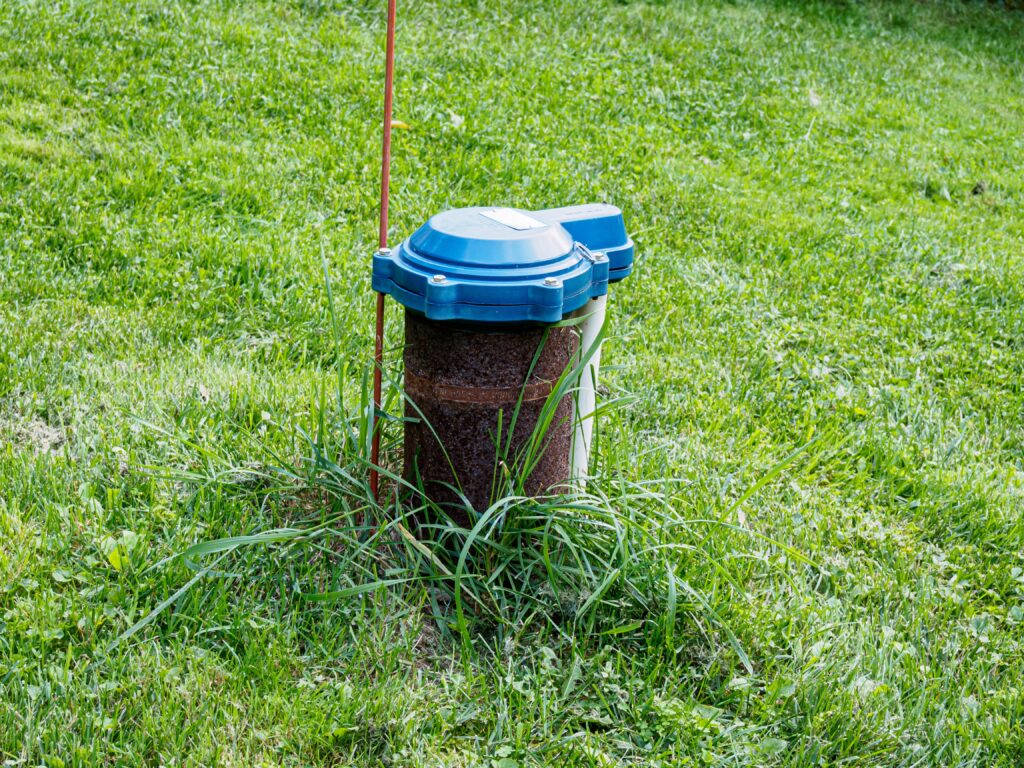
Photo: Shutterstock
Report on the Meeting of the Town Council, September 14, 2026, Part 2
This was a hybrid meeting held in Town Hall and was recorded.
Present
Mandi Jo Hanneke (President, at large), Andy Churchill (at large), Jill Brevik and Cathy Schoen (District 1), Amber Cano-Martin and Lynn Griesemer (District 2), Hala Lord and George Ryan (District 3), Pam Rooney and Jennifer Taub (District 4), Ana Devlin Gauthier and Sam MacLeod (District 5). Absent: Ellisha Walker (at large).
The Town Council voted unanimously with one absence to adopt the proposed Article 18: Small Clean Energy Infrastructure Bylaw with two amendments, designed to provide additional protection to private drinking water wells by increasing the no-disturbance area around a well from 100 to 200 feet. The amendments also update use classifications in Article 3, Section 5.11 (renewable energy accessory), Section 6.2 (fences), and Article 12 (definitions) to comply with the new bylaw.
District 2 councilor Lynn Griesemer introduced the amendments. Almost all of the private wells in Amherst, about five percent of all homes, are in the northeast section of town, in Districts 1 and 2. She felt that private wells should have the same protections as the public water supply.
Amendment Passed to Increase No-Disturbance Area from Private Wells to 200 Feet
Opinions differed on whether the extra distance was needed. In public comment, Planning Board Chair Doug Marshall strongly objected to Griesemer’s amendment, maintaining that increasing the distance of solar/battery installations from private wells “could reduce the efficiency of land use, especially for the scale of parcels that are typical of those in this town. I fear that it would, at best, increase local sustainable energy costs, and at worst, render many potential installations economically infeasible.”
Fellow Planning Board member Bruce Coldham pointed out that increasing the no-disturbance area from 100 to 200 feet is actually a fourfold increase in area. He also stated that septic systems need only be 100 feet from wells, and those present a higher risk of contamination than photovoltaic panels.
This view was supported by a white paper produced by the Water Supply Protection Committee in 2022 that showed no danger of contamination from the chemicals or run-off from solar panels. However, District 2 resident Eric Bacharach worried that land disturbance during construction and tree removal for the installations could increase erosion and contaminate the water supply.
District 1 councilor Jill Brevik said many residents were concerned not only about PFAS contamination (Editor’s note: solar panels do not contain PFAS) but also about contamination from herbicides and cleaning solutions. She supported the increase, noting that property owners typically absorb the costs of remediation and that if a private well fails testing, the homeowner is responsible for fixing it.
George Ryan characterized these concerns as “constituent fear.” He said that the major threat to the water supply is to the surface reservoirs, not to subsurface wells. “What I do support,” he said, “is trying to meet our energy and climate goals, and if we approve this, we’re going to make it much more difficult, at least in terms of solar installations.”
Council President Mandi Jo Hanneke noted that the guidelines in the proposed bylaw were based on the joint Water Supply Protection Committee and Solar Bylaw Working Group recommendation. Both felt that 100 feet was enough to protect against erosion and contamination.
Cathy Schoen said houses with private wells are located in one small corner of Amherst, an area with steep hills and lots of trees that is more prone to erosion. “There’s a reason the public water supply doesn’t reach there,” she said. She estimated that only about 24 households in town had private wells, but Hanneke thought the number was much higher.
Andy Churchill and others noted that the current language in the proposed bylaw allows the permit-granting authority to require a larger no-disturbance area based on site characteristics and conditions.
Sustainability Director Stephanie Cicarrello pointed out that the town has no control over private residents using pesticides and herbicides on their land that could contaminate groundwater. She felt the bylaw provided enough protections for private wells.
Griesemer pointed to a situation in Pecos, Texas, where a severe storm destroyed a solar installation and contaminated many private wells. She noted that recent years have seen more severe weather events.
The amendment passed 7-5. Schoen, Taub, Brevik, Griesemer, Amber Cano-Martin, Hala Lord, and Sam MacLeod voted for it.
Amendment to Distance Battery Energy Storage Systems 400 Feet from Private Wells Passes
Similar to increasing the distance of solar installations from private wells, Griesemer’s second amendment recommended increasing the distance of battery energy storage systems (BESS) from 300 feet to 400 feet from wells, the same distance required from the public water supply.
There was little discussion, but Ana Devlin Gauthier pointed out the added risk of well contamination from firefighting materials if there were a fire at a BESS. She joined the councilors who voted in favor of the first amendment, making the vote on this amendment 8-4.
The entire bylaw then passed by a unanimous vote of 12-0.