
Opinion: Six Key Climate Truths

From a playground in Brooklyn, NY. Photo; Russ Vernon-Jones
Love, Justice, and Climate Change
While individual support for limiting the effects of climate change is widespread, we have not yet been successful in creating a broad, powerful movement in the U.S. that insists on bold action by governments and businesses. Despite the existential threat that climate change poses for all of humanity, we have not yet made climate change a major priority for most voters or their candidates.
Clearly, the immense amounts of money that the fossil fuel industry and their supporters continue to corruptly pour into our political process are a major obstacle. These intentionally false and self-serving campaigns have been a major source of misinformation, mis-perception, and confusion.
Numerous researchers have been exploring how to make positive communication about climate change more effective and widespread. I’ve been impressed by a major study that has pared the message down to six “key truths.” They found that when people understand these truths, they are much more likely to support government action on climate, seek and share information about climate change, and engage in political advocacy to support climate action.
The shorthand version of the six truths is:
- It’s real
- It’s us
- Experts agree
- It’s bad
- Others care
- There’s hope
It’s real – the belief that climate change is happening is now quite widespread in the U.S. and in many other nations. A 2023 survey found 72% of the adult population in the U.S. thinks that climate change is real. However, given the ongoing push by the MAGA right wing to sow doubt and uncertainty, I think it’s important to continuously reiterate this truth.
It’s us – the prestigious 2023 Intergovernmental Panel on Climate Change (IPCC) report of scientists from all over the world states that human activity has “unequivocally caused global warming.” The central point here is that humans burning fossil fuels, which emit heat-trapping gases, have been the primary cause of global warming and climate change. However, polling shows that only 58% of U.S. adults understand this, while some 29% believe natural changes are the primary cause of climate change. This widespread misunderstanding about the role that human activity has played and is playing, is a major weakness in building a powerful movement for climate action.
Experts agree – for at least 10 years, 90% or more of climate scientists have been confident that human-caused climate change is happening. In the U.S. about 58% believe there is a scientific consensus, but many think there is still a significant scientific debate. Only 1 in 5 U.S.ers think that the consensus among scientists is over 90%. This may be an especially fruitful area for moving public opinion.
It’s bad – There is no question that climate change poses risks and is already causing harm to individuals, communities, nations, and ecosystems throughout the world. Whether we look at floods, fires, heatwaves, sea-level rise, droughts, or disease migration, the harmful impacts are staggering in terms of the number of people already affected and the huge costs of damage already. For instance, the U.S. experienced 23 climate and weather-caused disasters in 2025 that cost over $1 billion. The costliest global events last year resulted in even worse economic losses. Of course, the toll of human suffering from each of these events is incalculable.
Others care – Far more people care about climate change than most people think. Nature Communications reports that, “Specifically, 80–90% of Americans underestimate the prevalence of support for major climate change mitigation policies and climate concern. While 66–80% Americans support these policies, Americans estimate the prevalence to only be between 37–43% on average. Thus, supporters of climate policies outnumber opponents two to one, while Americans falsely perceive nearly the opposite to be true.”
There’s hope – It’s not too late for humanity to make a tremendous difference in the effects of climate change. There is plenty of bad news about climate change and we have already passed some tipping points that we wanted to avoid. Current federal policies in the U.S. are harmful. Nonetheless, solar power is being installed all over the world at far faster rates than previously thought possible. China is outpacing the rest of the world in both their domestic installations and in their assistance to other countries. Countries large and small are eager for the U.S. to rejoin the fight to preserve a livable planet.
Despite the complexities of climate science, the fundamental truths are not very complicated. These six key truths capture the most essential ideas. Research shows that where people hold these six truths, they are much more likely to engage in climate action, climate discussion, and climate advocacy. While the MAGA right wing and the fossil fuel industry are working hard and spending large sums of money to spread misinformation, it’s particularly important that individually, and in groups, we help the public (and perhaps ourselves) more widely understand these truths.
Personal conversations are still one of the most powerful shapers of public opinion. Let’s make sure we talk climate regularly. If you aren’t sure where to start, ask people around you what they think of these “six key truths”. Be sure you listen before you dispute, but let’s make sure more people have the accurate information.
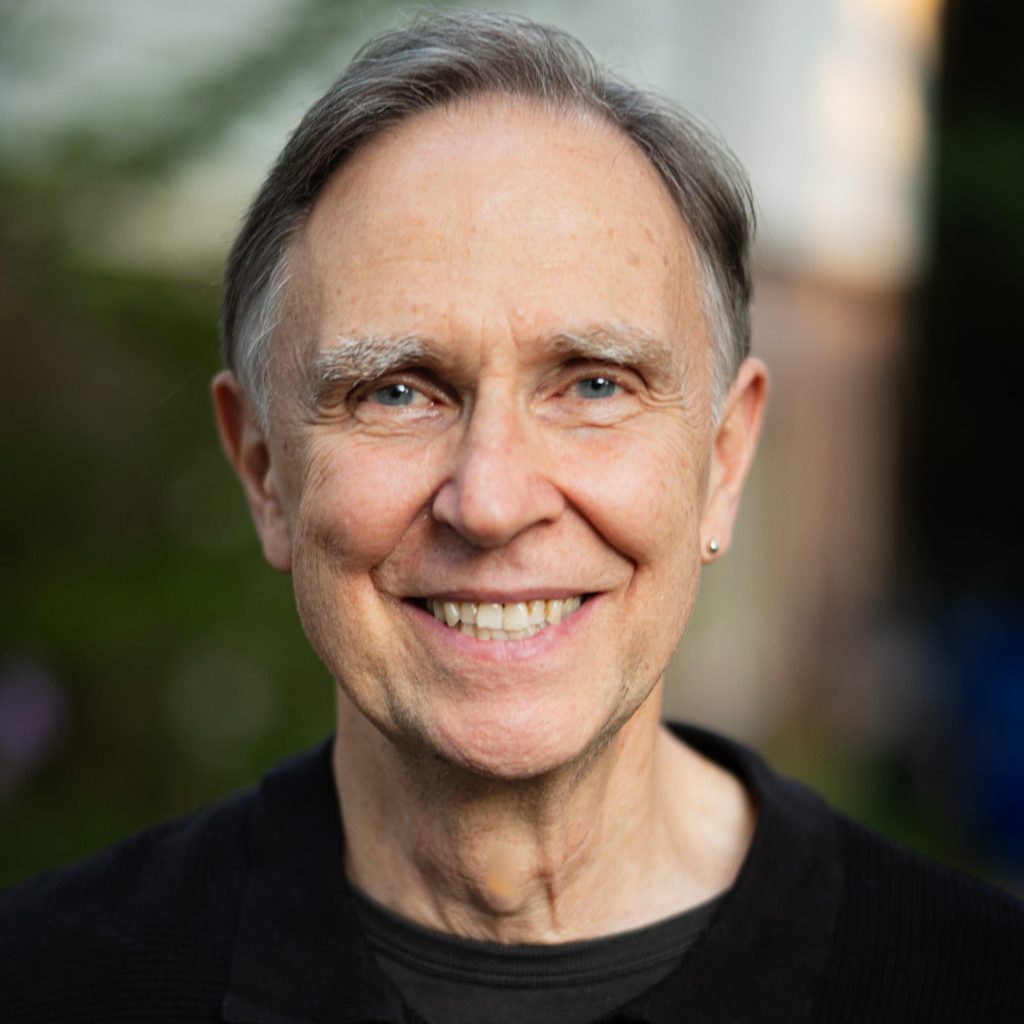
Russ Vernon-Jones was principal of Fort River School from 1990 to 2008 and is currently a member of the Steering Committee of Climate Action Now-Western Massachusetts. He blogs regularly on climate justice at www.russvernonjones.org.