Opinion: The Words We Use
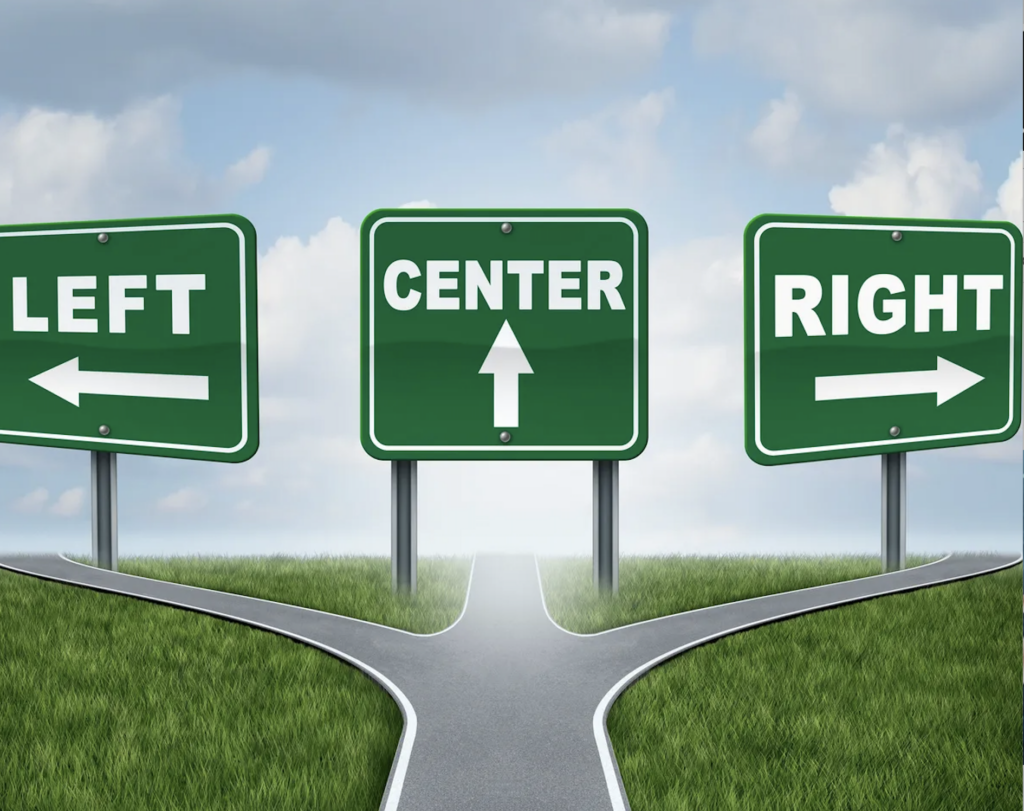
Photo: Shutterstock
On Thursday, Nov.12, Amherst College Professor Ilan Stavans had an interesting commentary in the New York Times about the complications of a Spanish word for Jewish – judio – also being a recognized and accepted synonym for “miserly.”
I don’t want to comment on his piece, although I certainly recommend it. I do want to amplify his general point; in fact, I want to extend it further than he does.
Words are tools. Words are traps. We think with words. We use words to avoid thinking. We often believe we use words to define or describe things, events, ideas. Just as often we use words to create labels, categories, and generalities which prevent us from thinking clearly about things, events, and ideas. Things, events and ideas are almost always complex, subtle, paradoxical.
The labels we use to categorize them are rarely any of these. We have just experienced an extraordinary political moment in our country’s history so we are all thinking about it, reading about it, and talking about it. We are using words: left, right, center, liberal, progressive, conservative, centrist – among many others – to describe ourselves and others. When we hear others use terms such as these we often feel that while they may sort of fit us they are not always a good fit; our thinking is more nuanced than these words allow. We are less likely to consider that the words we use to talk about others are also more nuanced than our labels allow.
Labels and categories are reductive; they group things and ideas together based upon their commonalities. As long as we recognize this they are powerful and constructive tools; we can’t do without them. But if we forget this they quickly become weapons, creating “We” and “They” that have lost both the capacity and desire to talk with each other and clarity differences. We see this in politics all the time. We have seen it in Amherst as well. When words overpraise commonalities they minimize the differences, the subtleties, the utter ambiguities which labels and categories hide and with which we must cope to make sense of our world.
Of course we can’t go through life incessantly defining our terms. We can try, though, to use words that allow to others the same complexities that we believe we have. Back in the day when I was teaching prospective teachers I would encourage them to develop strong opinions and also to say “I believe such-and-such to be true, but my belief may be false.” That is the way to honor, respect and use words when we don’t entirely trust them.
There is much more to be said about the words we use. If there seems to be interest I would like to say more, but I surely would like other voices to join the conversation.
Michael Greenebaum was Principal of Mark’s Meadow School from 1970 to 1991, and from 1974 taught Organization Studies in the Higher Education Center at the UMass School of Education. He served in Town Meeting from 1992, was on the first Charter Commission in 1993, and served on several town committees, including the Town Commercial Relations Committee and the Long Range Planning Committee.