
Board of Health Approves Nicotine-free Generation Regulations
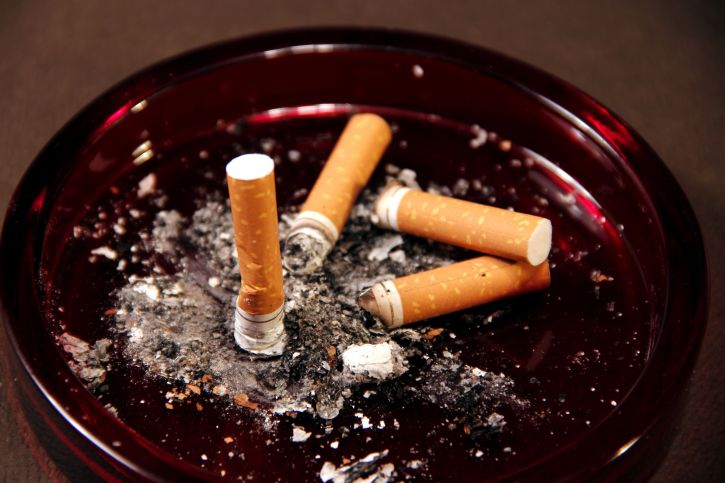
Photo: pixnio.com. Creative Commons
Report on the Meeting of the Amherst Board of Health, December 4, 2025
By Maura Keene
This meeting was held over Zoom and was recorded.
Present
Risha Hess (Chair), Premila Nair, Jack Jemsek, and Betsy Brooks. The board has one vacancy.
Staff: Kiko Malin (Public Health Director) and Maheen Ahmed (Assistant)
The Amherst Board of Health (BOH) has followed Belchertown and several other municipalities in Massachusetts in adopting Nicotine-free Generation (NFG) regulations that would ban sale of any nicotine products to people born after January 1, 2005. The vote to adopt was unanimous. The regulations will go into effect on January 1, 2026, but the first six months will be devoted to educating retailers, with enforcement beginning on July 1, 2026.
The BOH held a well-attended public hearing on the topic on October 30, but was unable to take a vote at that meeting because it was not posted in advance that a decision would be made. Written public comments were accepted until November 12, and BOH Chair Risha Hess asked that no more public comments be made at this meeting. Nevertheless, several people opposing the legislation spoke.
Peter Brennan of the New England Convenience Store and Energy Marketers Association noted that “a lot of people” were not able to attend the in-person October hearing, and he felt that they should be allowed to comment at this meeting, as the “best venue to let people have their voice heard before a vote is taken.” He opined that “a city like Amherst, that attracts so many young adults could get a bad reputation in the mind of those looking to go to school there if it’s seen as a kind of a hyperactive nanny government that will not let adults purchase nicotine products.”
Two other people, Steven Heller and Emily Ouija, spoke in opposition to the regulations. (Apparently neither one is an Amherst resident.).
BOH members generally favored the regulations, but did have some reservations. Jack Jemsek worried that the inability to purchase tobacco products at stores would lead to more “black market sales.” Hess was concerned that more users would purchase products online, where the BOH has no jurisdiction. Betsy Brooks thought there may be a backlash to the policy, such as there has been to vaccine mandates after COVID, and she also wished the sales prohibition would max out at some age, such as 25.
Health Director Kiko Malin pointed out that nicotine products would still be available in stores, unlike during Prohibition when the only access to alcohol was on the black market. She also noted that legislation to ban online sales of tobacco products has been introduced at the state level.
Premila Nair was swayed by the fact that most of the young people at the October hearing supported NFG. In general, BOH members felt the regulations fit with their goal to make the community and the nation healthier.
Malin invited Cheryl Sbarra, Executive Director and Senior Staff Attorney at Massachusetts Association of Health Boards, to advise the BOH on enforcement of the NFG. The board agreed that the first violation would lead to a retailer being fined $300 with no suspension of its tobacco license. The second violation would carry a $600 fine with a seven-day tobacco license suspension, and a third and subsequent offenses would carry a $1,000 fine and 30-day license suspension. Selling to someone under age 21 would incur a $1,000 fine and a seven-day license suspension.
Guidelines for Respiratory Illnesses
Malin stated that guidelines for COVID, flu, and other respiratory illnesses are the same: stay home while ill and wear a mask for five days afterward until recovered. Testing is not required, but is advisable for those with underlying conditions that may lead them to treat with Paxlovid for COVID or Tamiflu for flu. She said that indications are that this year will be a heavy flu season.
Possible Other Topics for Consideration by the BOH
Jemsek attended a meeting about allowing customers to bring their own containers to take home leftovers from restaurants, thus avoiding the disposable containers provided. He said that Mt. Holyoke College has such a policy, and offered to invite the person in charge of it to a future BOH meeting. Malin said she would look into how a policy would fit into the food code that is set by the state.
Jemsek also wondered if the BOH should discuss online sports gambling as a public health issue. Malin is meeting with the Public Health Director at UMass, and will see if the university has any policies regarding online gambling.
Brooks mentioned an article in The New York Times on e-bike safety that showed that the death rate on e-bikes is more than twice as high as on regular bicycles, and the serious injury rate is also much greater. She asked if there have been any issues with the e-bikes rentals in the area.
.
It is far easier to pass an over-reaching regulation that punishes mom and pop stores for one mistake than it is to make a concerted effort to educate young people about the dangers of ATODs and the benefits of a healthy lifestyle, and provide them with the needed support for achieving such a lifestyle.