
Opinion: Beyond the Party—Who Is Responsible for Amherst’s Neighborhoods?
Social Injustice Goes Global
Amherst’s student-housing story begins at night, when a house filled with students becomes a vastly different kind of neighbor to the people who live in that neighborhood year-round.
The West Downtown Neighborhood Association wants Amherst Police to patrol North Prospect Street more often and UMass to take student behavior seriously when somebody is calling at one in the morning. But underneath the noise complaints is a much harder question: what does it actually mean to be a community when thousands of its members are here part-time and temporarily, while thousands of others are full-time permanent residents?
The economic relationship of UMass students to the town is obvious. Students rent apartments, buy food, go downtown, use local businesses, and become part of the financial ecosystem. But the social relationship is different. There is no line on a university spreadsheet for the neighbor who cannot sleep because of a party, the student who has no idea who lives next door, or the landlord who has grown accustomed to treating repeated complaints as somebody else’s problem.
Universities measure enrollment, retention, research dollars, and institutional reputation. Towns measure traffic, taxes, property values, garbage disposal, public safety, and whether the person living next door can get some sleep before going to work at six in the morning.
And then the students, many barely twenty years old and living away from home for the first time, are figuring out adulthood all at once.
UMass has Off-Campus Student Life and Community Relations that says its town-grown program reviews off-campus activity and considers responses to community concerns.
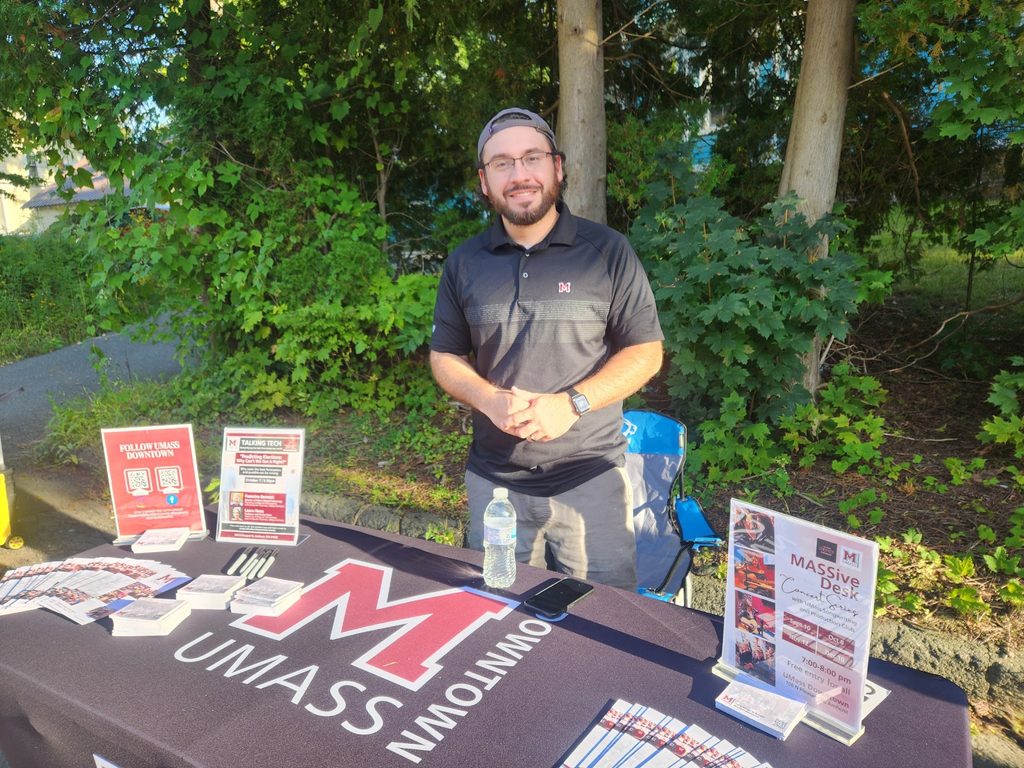
Amherst has a Good Neighbor Registration program for student gatherings, under which police can respond to complaints and, when excessive noise continues, can issue citations. UMass also has Good Neighbor Grants designed to bring students and permanent residents together through neighborhood projects.
Imagine being the person who has been awake until two in the morning listening to bass thumping through the bedroom wall, cars parking on sidewalks, and empty cans being scattered around the street. You call someone, are told it is a police matter, and it becomes a landlord matter.
After enough rounds of this, a neighborhood begins to fracture.
Students start to see permanent residents as people who want to ruin their college experience, while permanent residents start to see students as temporary invaders who do not care about the place where they happen to be living. Neither version solves anything.
Who is responsible for building the relationship before everyone gets angry?
The West Amherst Downtown Neighborhood Association announced an organizational meeting for November 1, inviting neighbors. As their neighborhood changes, along with so many others in town, they hope that the residents will talk to each other rather than simply complain. And Amherst needs communication to happen, two-way conversation between all the different players.
At the beginning of every academic year, students moving into heavily student-populated neighborhoods could be welcomed by both UMass and the town not with another PDF nobody reads, but with an actual introduction. Here is the neighborhood, the people who live here, what you need to know, who you call when something goes wrong, who your neighbors can call, and what being a good neighbor looks like.
Landlords could be part of that conversation instead of appearing only when rent is due or something has gone badly wrong. Police could identify properties generating repeated documented complaints instead of responding to the same address again and again as though every incident has appeared out of nowhere. UMass could have a meaningful role when off-campus behavior repeatedly affects the surrounding community, because trust is created when somebody answers the phone.
Everyone has something to lose if this relationship deteriorates. Students need housing, landlords need tenants, downtown businesses need customers, UMass students, and a functioning relationship with the town. Police need clear lines of responsibility and permanent residents need a livable neighborhood. These interests do not automatically coexist.
A university can provide an extraordinary college experience without becoming an island. A town can welcome thousands of students without treating its permanent residents as collateral damage from being a college town. And students can enjoy Amherst without pretending that the town disappears when they close the door of their rental house. In a caring community, when people have enough connection to one another, these problems do not immediately become somebody else’s problems.
Alex Kent and Felicia Sevene’s effort to revive the West Downtown Neighborhood Association is a reminder that a neighborhood is created when people know who lives around them—and care enough to know when something is going wrong.
Students graduate and UMass enrollment rises and falls, but the people who live on these streets year after year will still be here. So, while students are here, how do we teach them that they are not just occupying a bedroom but are living in somebody’s neighborhood?
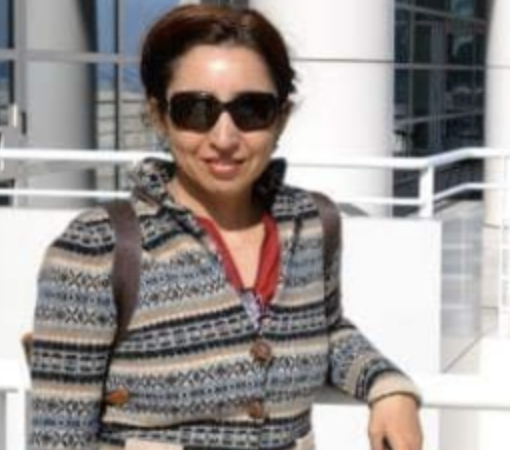
Rizwana Khan is a writer, educator, and human rights advocate in Amherst.