
Opinion: Is the Cost of True Sustainability Beyond Reach?
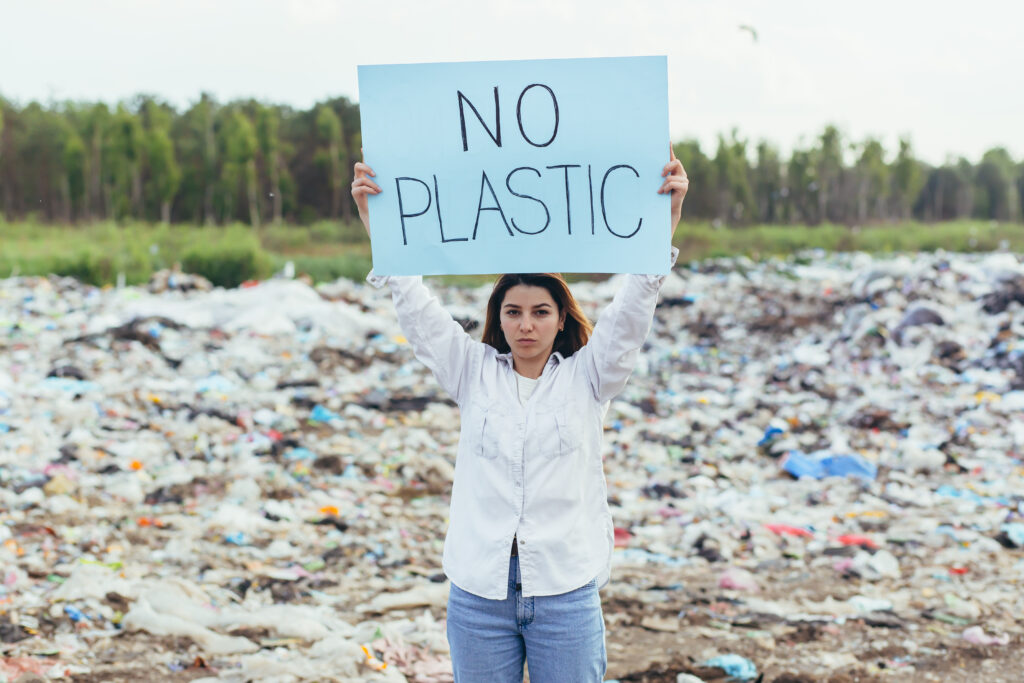
Photo: Shutterstock

While recycling may appear to be a step toward sustainability, it is a band-aid covering a gaping wound in the environment, a partial solution to a problem that societies around the world have become locked into by the acceptance of the consumer culture that drives the modern world’s industry and commerce.
The state of the art facility USA Waste and Recycling where Amherst’s trash is sorted is truly impressive. Four stories high, and occupying more than two city blocks, its labyrinth of conveyor belts, sensors, jets of air, assorted sieves, and (a relatively few) human hands is impressive. Completed in 2019 with the most modern equipment available (purchased from a Dutch company, as Europe is far ahead of America in recycling), it is fairly effective in segregating a single stream of refuse into piles of paper, metal, glass and plastic with a minimum of direct human contact. It accomplishes what it is designed to do. The challenge of sorting waste is largely met.
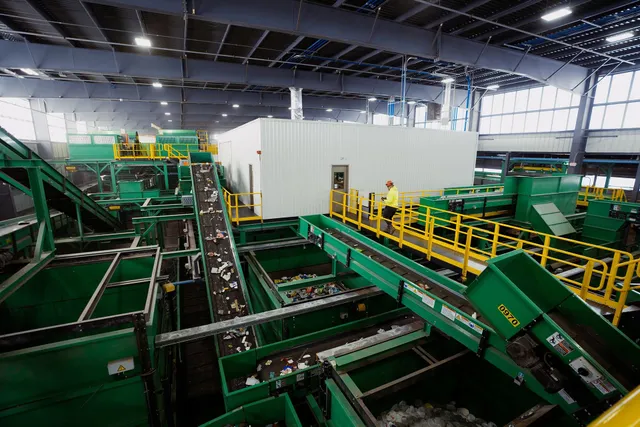
The problem is what to do with the well-sorted trash. Paper (that is not greasy or glossy or coated with something) can be re-pulped and used over. Paper unusable as low-grade pulp goes to incinerators or landfills. Metals, once categorized into types, can be melted and reused fairly efficiently. Glass gets pulverized and turned into raw material for making construction and paving materials. Then there is plastic.
There are hundreds, if not thousands of types of plastics, and only a few types are recycleable. Even the types that are “recyclable”, after one round of recycling, become too contaminated even for use for products like 5-gallon buckets, and they head to landfills here and abroad. Most nations have signed on to a treaty that cites plastics as toxic waste, and thereby severely restricts sending it to other countries for disposal. Not so the United States.
For sure, we must recycle what we can. But what is needed to avoid all of the world drowning in its own commercial/industrial excrement, is a total retooling of our system of commerce. Recycling is only a part of the solution. We – the vast majority of humanity not living as hunter-gatherers – must learn to repair and reuse, and this will require fundamental changes in how we produce, market and employ material goods.
At the risk of sounding like some wigged-out zealot standing on the street corner dressed in sackcloth and carrying a placard proclaiming the end is near, our challenge is daunting. We – the modern world as we know it – must sacrifice some measures of comfort and short-term “efficiency” to achieve sustainability. It is unclear humanity is up to the challenge. We must keep on pushing to do what we can do now. But we cannot kid ourselves into thinking that it is enough. In addition to “reduce, reuse, recycle”, we must repair, re-imagine, and fundamentally realign our methods and material aspirations.
John Varner is a resident of Amherst’s District 3.