
Opinion: Democracy on a Rainy Day in Wendell
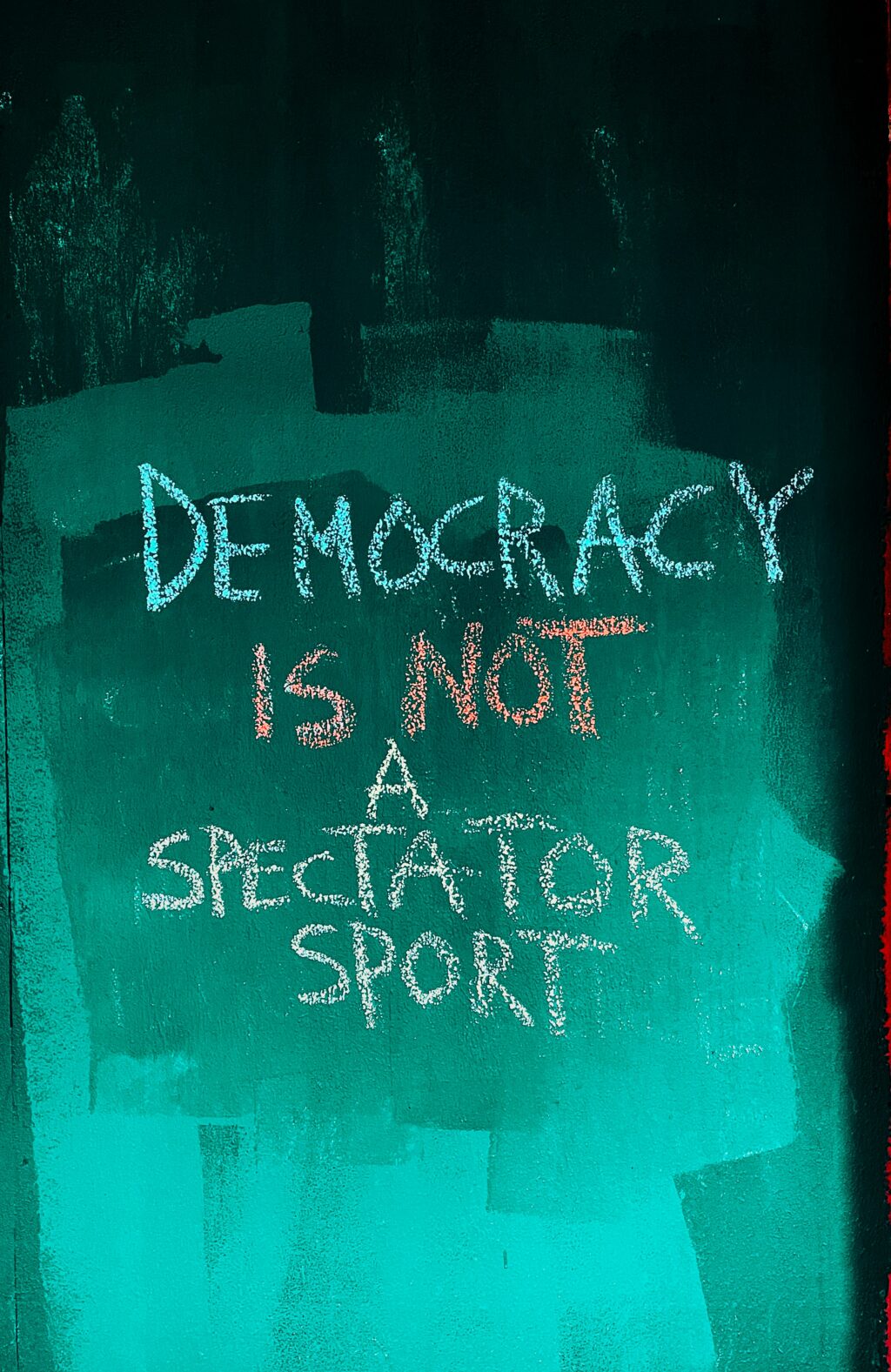
Photo: Jon Tyson c/o unsplash
On a recent gray, rainy Saturday morning, with the temperature hovering around 43 degrees, I found myself driving the winding roads through Sunderland, North Leverett into Wendell.
As I entered town, American flags hung from utility poles, stirring gently in the damp breeze. Ahead stood the white Town Hall, modest and unassuming, the kind of building that could easily be overlooked by someone passing through. Yet inside was something extraordinary.
As I walked in to the building, the community room was nearly filled to capacity. Collapsible chairs stretched across the floor, occupied by townspeople who had come together for their annual Town Meeting. Tables stretched across the front of the room, with town selectmen and staff members who guided the meeting. There were no television cameras or social media algorithms deciding what voices deserved attention. There were simply neighbors gathered to govern themselves.
As our nation prepares to celebrate the 250th anniversary of the American experiment, I could not help but think that this room represented democracy at its finest.
After 26 warrants which ranged from authorization of revolving funds to the purchase of a Ford F-550 Super Duty Dump Truck, the issue that drew the greatest attention was a warrant Article #27 “Declaring the Town of Wendell to be an Apartheid-Free Community.” It was a subject that touched on matters far beyond town borders and evoked strong emotions from people on all sides. The speakers who rose to address the article did so with passion, conviction, and sincerity. Some believed deeply that adopting the measure was a moral imperative. Others were equally convinced that it was misguided, divisive, or outside the proper scope of town government. The disagreement was real, and at times profound.
Yet what struck me most was not the disagreement itself.
It was the manner in which that disagreement unfolded.
People spoke to one another, not at one another. They listened. They waited their turn. They acknowledged the humanity of those neighbors with whom they disagreed. They shared fears about the current climate in our country and in our communities. Some spoke about feeling threatened or marginalized. Others expressed concern about rising antisemitism, polarization, and division. Again and again, speakers returned to a common theme: the importance of neighbors caring for neighbors.
No one pretended that these concerns were insignificant. No one suggested that the issues were simple. But neither did anyone seek to silence the other side.
Meanwhile, the practical business of the town moved forward. Budgets were considered. Municipal needs were discussed. Votes were taken. The work of local government continued, just as it has in New England town halls for generations. Most articles were resolved efficiently and respectfully, demonstrating that democracy is not merely about grand debates but also about the everyday responsibilities of community life.
When the discussion finally concluded, the voters cast their ballots. The resolution was defeated. Some were disappointed. Others were relieved. But the process had worked exactly as it was intended to work. Citizens spoke. Citizens listened. Citizens voted. The majority prevailed, while the minority retained both its voice and its dignity.
And then something remarkable happened.
People moved on. They talked. They shook hands. They gathered their coats and umbrellas. They returned out in the cold to their warm homes and their lives. They remained neighbors and friends.
In an era when many Americans have come to believe that disagreement must lead to hostility, Wendell offered a different lesson. Democracy does not require unanimity. It does not demand that we all think alike. What it asks is that we recognize one another as fellow citizens, worthy of respect even when our views diverge.
On that cold, rainy morning, in a white Town Hall decorated by little more than folding chairs and civic commitment, I witnessed something hopeful. I saw democracy not as an abstract ideal, but as a living practice. Two hundred and fifty years after the birth of our nation, it remains one of America’s greatest strengths.
Wendell may be a small town. But on that day, it offered a lesson that communities across the country would do well to remember.
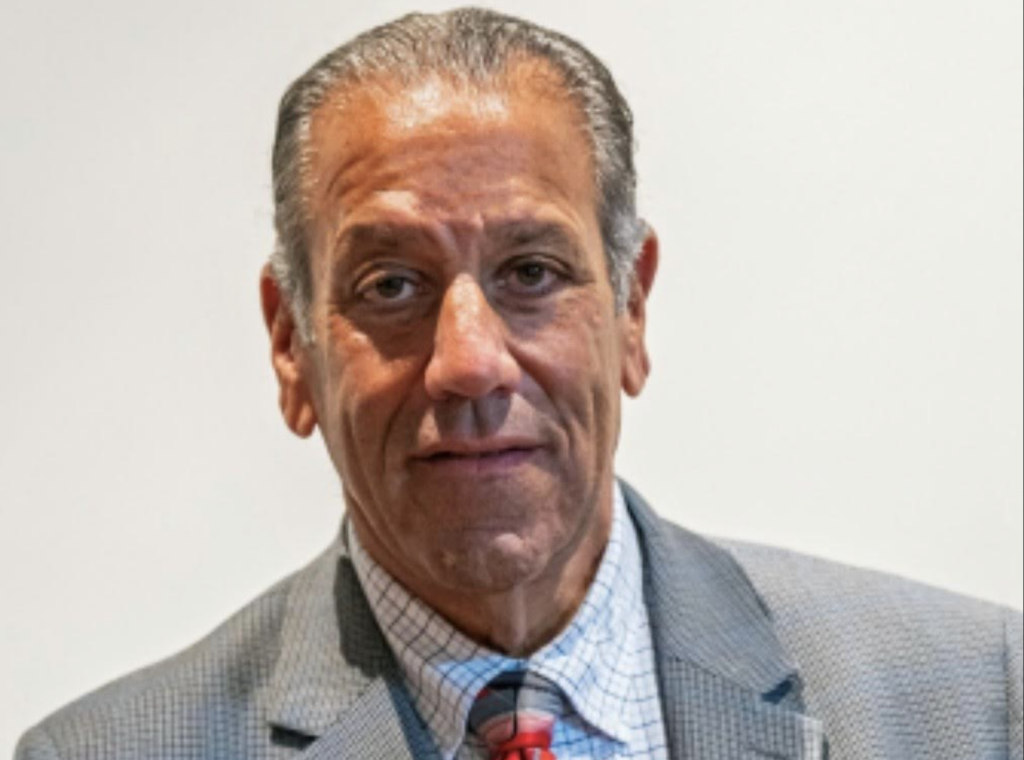
Adam Solender is the chief philanthropy officer and director of the Jewish Endowment Foundation and Jewish Federation of Western Mass.