
Touring Historic Sites in the Summertime
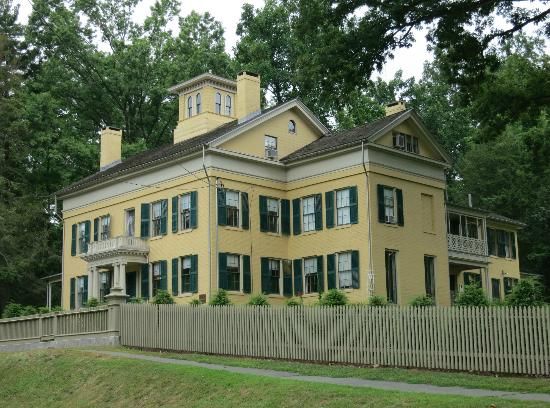
Emily Dickinson Museum. Photo: amherstma.gov
It’s June, and the pace of our lives shifts a little — a time for garden tours, step-up days, open houses, Father’s Day suppers with strawberry shortcake and perhaps summer camp. But as childcare, utilities, and rent persist through the season, and as gas prices weigh on our minds, it may be time to plan a “staycation” — a trend that regained popularity during the COVID-19 pandemic. Adventures close to home abound.
Architecture Calling
I’m a sucker for historical tours with an architectural focus. My professional background has shaped that preference, and I’m grateful that my life has been enriched over the decades through annual conferences of the Frank Lloyd Wright Building Conservancy, where I served as a board member and editor. Seeing America through the lens of Wright’s architecture — and that of his contemporaries in the United States and Japan — has been a real privilege.
Conferences like that one, along with conventions and summer tour programs, attract world travelers, architects and the culturally curious. They are also an option for those of us who need to stay close to home. Making art and architecture the destinations of one’s travels is very much in vogue — even if most of us can’t afford touring in comfort down the Danube or the Rhine, as those Viking cruise ads on PBS invite us.
Heritage Tourism: A Very Old Idea
What’s fascinating is that heritage tourism is quite old, dating to the late 1700s, when gazetteers of historic sites across Europe and beyond were widely published. That was arguably the 18th-century equivalent of nerding out on history and archaeology. The trend itself was a new take on an even older idea — the Grand Tour, a rite of passage for well-to-do gentlemen, and particularly for male artists and architects, that had been part of elite education since the mid-1600s, when Rome and Greece were the coveted destinations.
The Grand Tour has an older variant still: the medieval religious pilgrimage. Observant Muslims traveled to Mecca; Christians made their way to St. James’s Cathedral in Santiago de Compostela, a route that often began in England or France and ended at the northwestern tip of Spain — once considered the edge of the known world. Jerusalem and Rome were other significant destinations in both the medieval and early modern periods. Along the way, stopping at churches, curiosities, inns and eateries was as important as reaching the final destination. For many, the journey was a once-in-a-lifetime experience.
Exploring Close to Home
For contemporary historical tours with an art focus, my first suggestion is to stay local. The Five College Consortium’s Museums 10 program offers an online guide to area institutions, including the Beneski Museum of Natural History and the Mead Art Museum at Amherst College, the Emily Dickinson Museum, the Eric Carle Museum of Picture Book Art, Historic Deerfield, the Smith College Museum of Art, the UMass Amherst University Museum of Contemporary Art, the Mount Holyoke College Art Museum and the Yiddish Book Center at Hampshire College.
Venturing a little farther afield, the Connecticut Art Trail is worth exploring. A comparable trail exists for Maine.
Hitting the Road
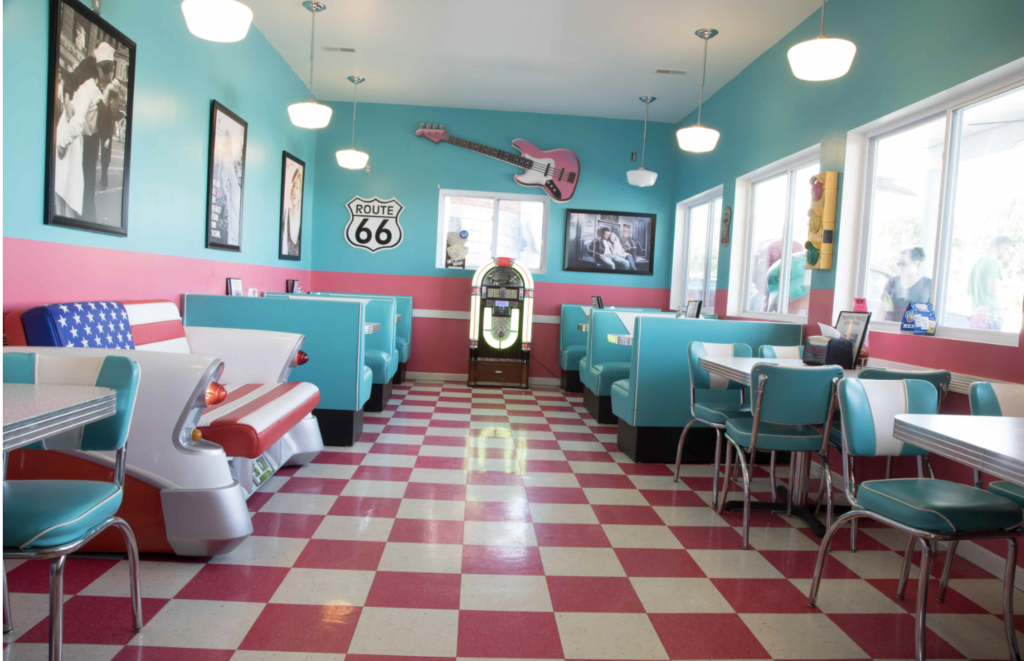
Looking across the country, options include the National Trust for Historic Preservation’s tours of Artists’ Homes and Studios, or a personal quest to visit every state capitol. One tour particularly close to my heart this year: a celebration of Route 66’s 100th anniversary, tracing the roadside architecture along the full route from Chicago to California.
For a more immersive experience, consider “Design Week Mexico” in October, a seven-day tour of architecture and culture in Mexico City timed to coincide with communities preparing for Día de los Muertos. The event invites visitors to explore the city’s layered histories and contemporary culture during one of its most inspired moments.
Travels with a Purpose
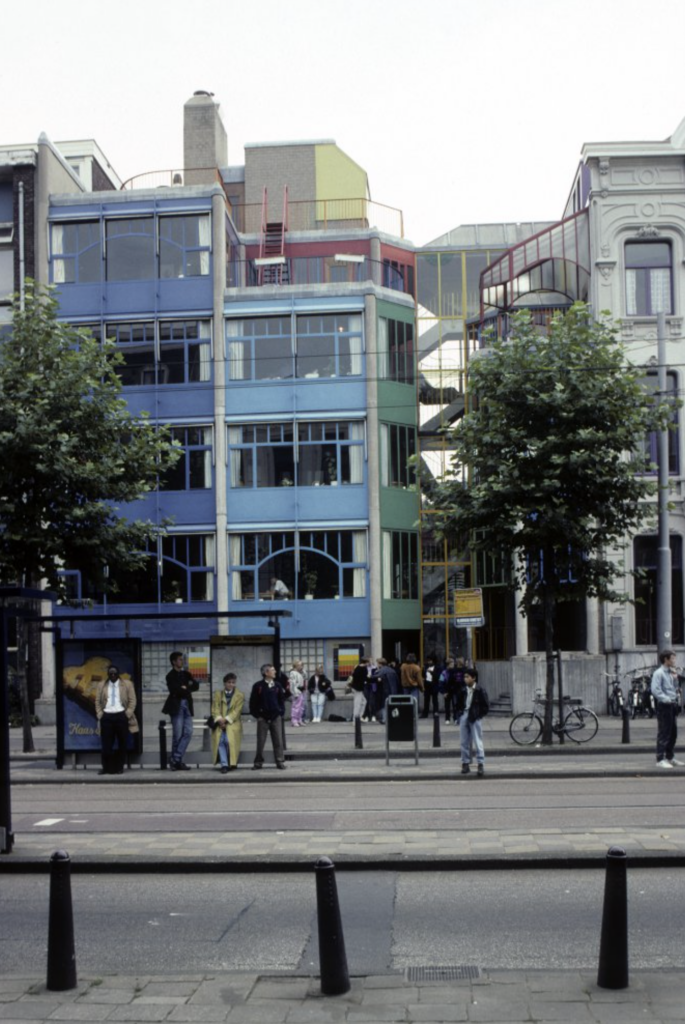
I once went to Amsterdam by boat-train expressly to see a modernist building by Dutch architect Aldo van Eyck called Hubertus House — though a budding romance also motivated the trip.
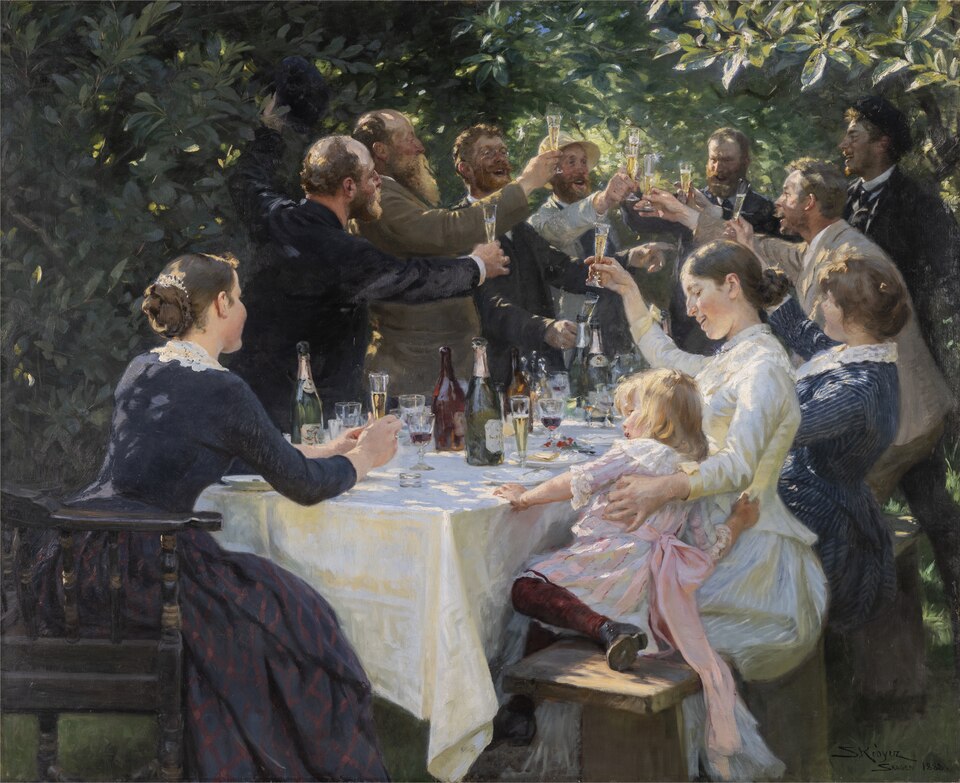
More recently, the nerd in me compelled a trip to Scandinavia to see a painting: “Hip Hip Hurrah!” (1888) by Danish artist P.S. Krøyer, which hangs in the Gothenburg Museum of Art in Gothenburg, Sweden. It is one of my favorite paintings, set in a part of the world I treasure — the tip of Denmark at Skagen, where the land meets two seas.
I used to encourage my students to travel in their minds to places of interest, even when foreign travel wasn’t possible for any number of reasons. Creating an itinerary centered on art, architecture and sites of historic significance — especially meaningful this year, as the nation marks its 250th anniversary — is a rewarding endeavor in itself. Wherever we go, we will be changed. As Dr. Seuss put it: “Oh, the places you’ll go!”
A more nature-focused trail/touring map is this one of waterfalls in the Berkshires that looks good on a hot and humid day, although the closest “beauty spot” as they were called in the past in terms of Amherst is near S. Worthington . Buffam Falls (Amherst) and Chapel Falls (Ashfield) are more local destinations and I am sure readers will have their own favorites. https://www.travellerselixir.com/dreamy-berkshires-waterfalls/?fbclid=IwY2xjawSSUG5leHRuA2FlbQIxMABicmlkETFJSjZuNldFSDF5YktsOVRlc3J0YwZhcHBfaWQQMjIyMDM5MTc4ODIwMDg5MgABHmKAafceUUAzzJf3pi5f_tpRkM4tFjuQEpfKgVsYH4G-vsoSbAYlBEIhWKig_aem_2l0tJuMFtFdGgZFi1CxcIA
I‘m always grateful to Hetty Startup for sharing her vast knowledge of our area‘s land (and water) marks. Her recent illuminating, illustrated description in the Indy of local diners reminded me of my Bob‘s habit of inviting visiting professors from other countries to share a meal at a diner. The Whately Diner and Truckstop particularly comes to mind. Invariably, the scholars were impressed by the unique American phenomenon of which Hetty gives many examples in her piece a couple of weeks ago.
Thank you Inge for mentioning this memory of your visits to the Whately Diner.
Since writing the piece, I did find an itinerary very close to home to add to the list of places to go and visit. Its from the National Scenic Byway Association and the tour was designated in 2009 https://nsbfoundation.com/nb/connecticut-river-scenic-byway-ma/