
The Fabric of 250 Years: What the Pioneer Valley Teaches Us About the American Tapestry
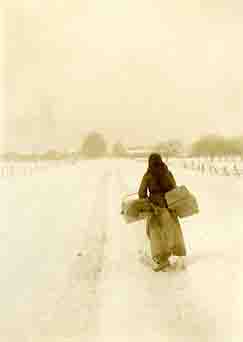
Itinerant peddlers like this one were common in the Connecticut River Valley. Hailing from all immigrant groups, many in the Springfield area were of Jewish origin. Photo: c/o the Clifton Johnson Collection, Jones Library Special Collections, Amherst, MA
Every so often, I find myself walking past the old brick brick-and-brownstone facades of our historic neighborhoods here in Western Massachusetts, looking at the quiet, resilient spaces that define our landscape. From the industrial heritage of Springfield and Holyoke to the vibrant cultural hubs of Northampton and Amherst, this valley is a visual timeline of the American experiment. To a passerby, the old synagogues and community buildings nestled among the historic mills and tree-lined streets are just part of the local scenery. But to anyone who knows our region’s soul, they are monuments to a profound truth: the Pioneer Valley wasn’t just built by a single group of settlers; it was woven together by waves of people who arrived with nothing but a willingness to work and a dream of freedom.
As our country approaches its 250th anniversary, the national conversation tends to focus on the grand political architecture of Philadelphia. We look at the high-minded declarations of 1776 as if the nation were completed the day the ink dried. But to truly understand how the American experiment survived and thrived, you have to look closer to home. You have to look at the pavement, the farmland, and the factory floors where diverse communities of strangers arrived, put down roots, and became neighbors.
The story of Western Massachusetts is a living tapestry. Think of the Irish laborers who dug our canals, the French-Canadians and Polish immigrants who powered our manufacturing boom, or the diverse communities that continue to bring fresh energy to our schools and towns today. None of these groups simply slipped into an existing, static culture. They expanded it. They proved that a society grows stronger, more resilient, and more innovative when it welcomes new perspectives into the fold.
The history of the Jewish community in the Pioneer Valley is a perfect testament to this enduring blueprint.
Unlike the early colonial arrivals on the southern coast, the massive wave of Jewish integration into Western Massachusetts accelerated in the late 19th and early 20th centuries. Fleeing the brutal pogroms and systemic oppression of Eastern Europe, thousands of Jewish immigrants arrived in the Valley. They didn’t find an established paradise; they found a bustling, competitive industrial corridor.
They started as peddlers, small shopkeepers, and factory workers in cities like Springfield. With little capital but immense determination, they built the economic underpinnings of our downtowns. In the fertile soil of the valley, Jewish farmers established small-scale homesteads, dairy farms, and poultry operations, proving that their commitment to the land was as deep as any heritage settler’s.
What makes the Pioneer Valley story special is how rapidly this community moved from survival to vital civic leadership. They built synagogues that became centers of charity and social justice, established robust philanthropic networks, and populated our legal, medical, and educational institutions. From the legendary small businesses that anchored main streets to generations of public servants, educators, and artists, the Jewish community didn’t just live in the Pioneer Valley—they helped shape its moral and cultural compass.
That is the lesson that stays with me when I look at the historic institutions that dot our region. It reminds us that America’s secret weapon has never been a shared ancestry or a single, rigid tradition. Our strength lies in our unique capacity to take disparate groups of people, give them the space to breathe, and watch them build a better community for everyone.
When we celebrate 250 years of this nation, let’s remember that our history is not a finished book. It is an ongoing project. The legacy of Western Massachusetts reminds us that whenever we open our communities to those seeking refuge, dignity, and opportunity, we aren’t just altering their trajectory—we are securing our own.
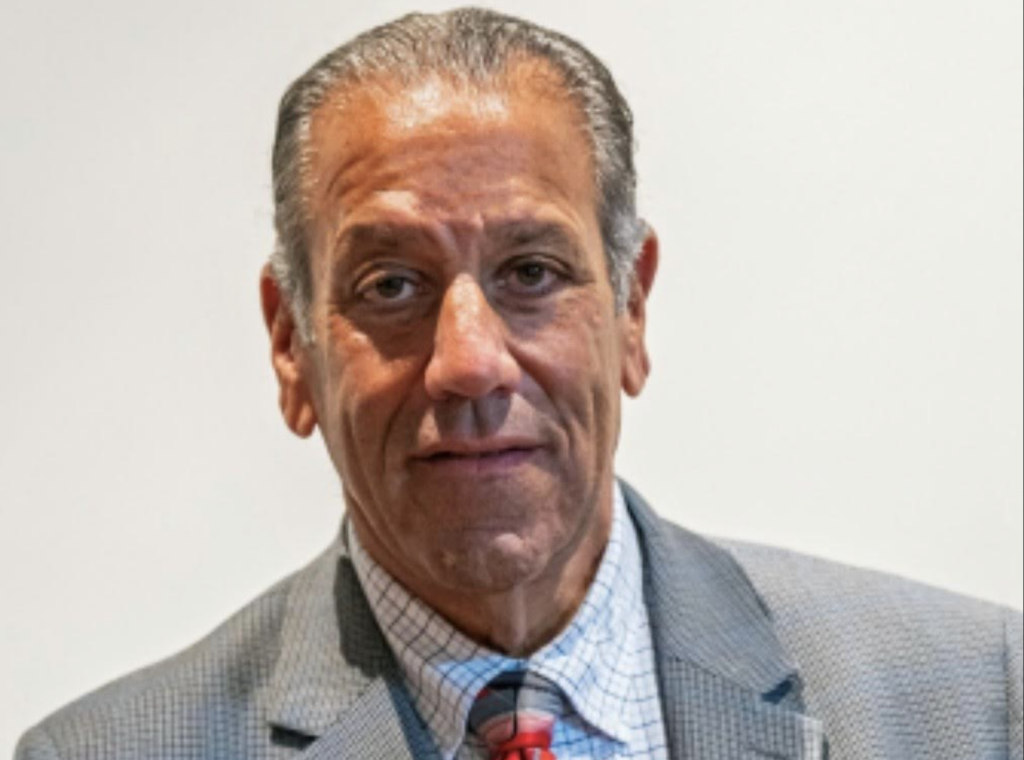
Adam Solender is the chief philanthropy officer and Director of the Jewish Endowment Foundation and Jewish Federation of Western Mass.