
Opinion | Halloween on Lincoln Avenue: Three Decades of Unexpected Connections
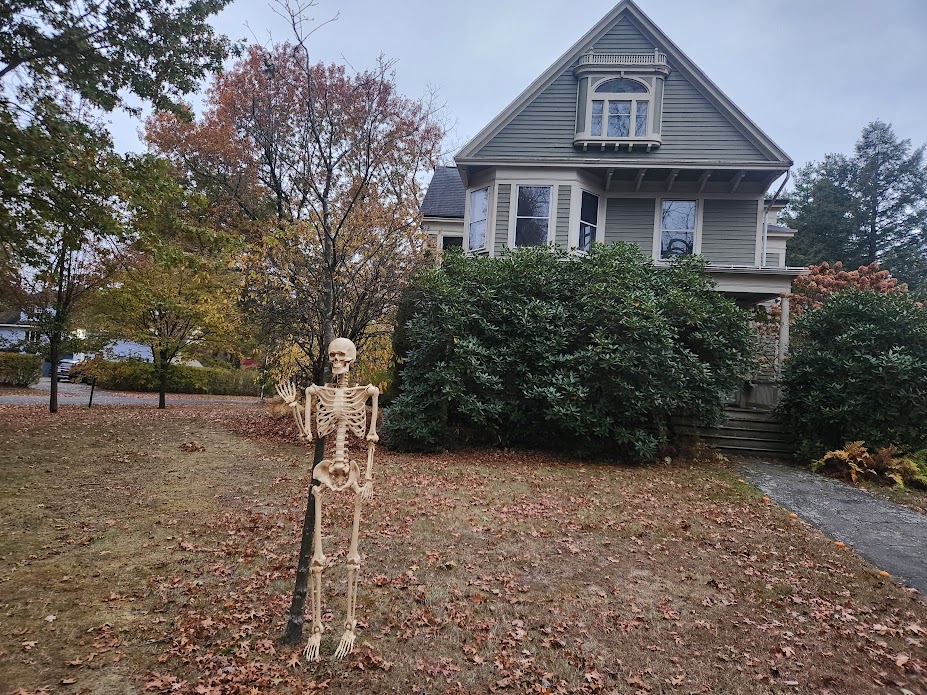
Amherst Halloween, 2026. Photo: Rizwana Khan
A neighborhood tradition brings generations together, but there is a larger story behind the barricades
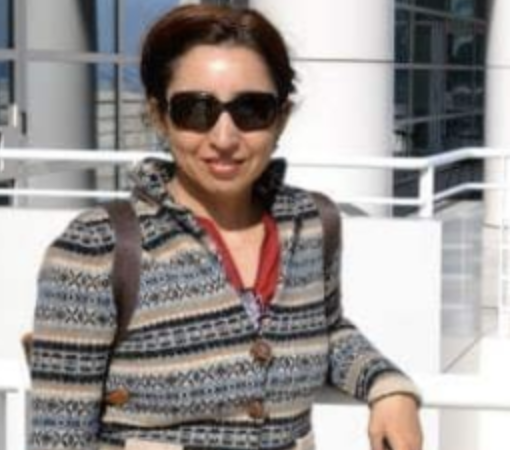
I tentatively agreed to help. Why not? It seemed like a mensch-worthy thing to do. I wanted to be useful, although I hadn’t quite anticipated becoming part of the neighborhood’s annual traffic-management operation. The Umass students, meanwhile, had a rather different reaction: an emphatic “Abort! Abort!”
But Barbara Pearson was not easily deterred. Through a combination of persuasion and persistence, she recruited volunteers and helped bring the Halloween tradition to life for another year. What began as a practical effort to keep the streets safe became something much more meaningful.
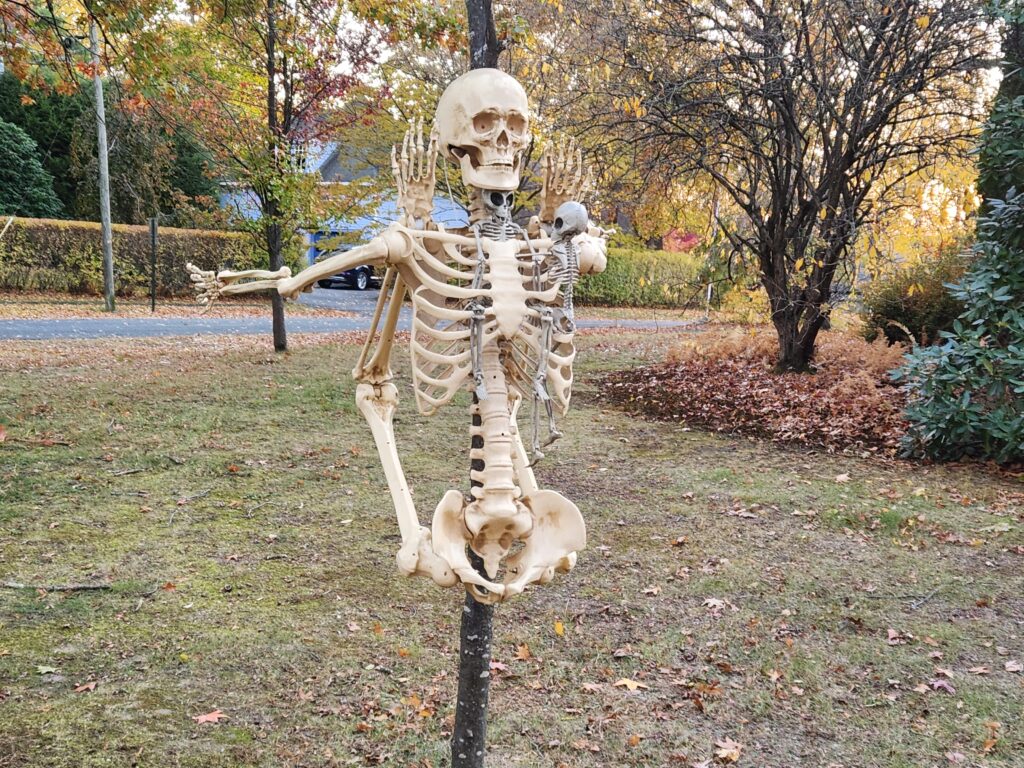
On Halloween, the familiar streets around Lincoln Avenue, Sunset Avenue, and McClellan Street take on a different character. Barricades redirect traffic, neighbors prepare their homes, and children move from house to house in search of candy. David’s house became a gathering point for distributing about 280 goody bags.
Connections Behind the Barricades
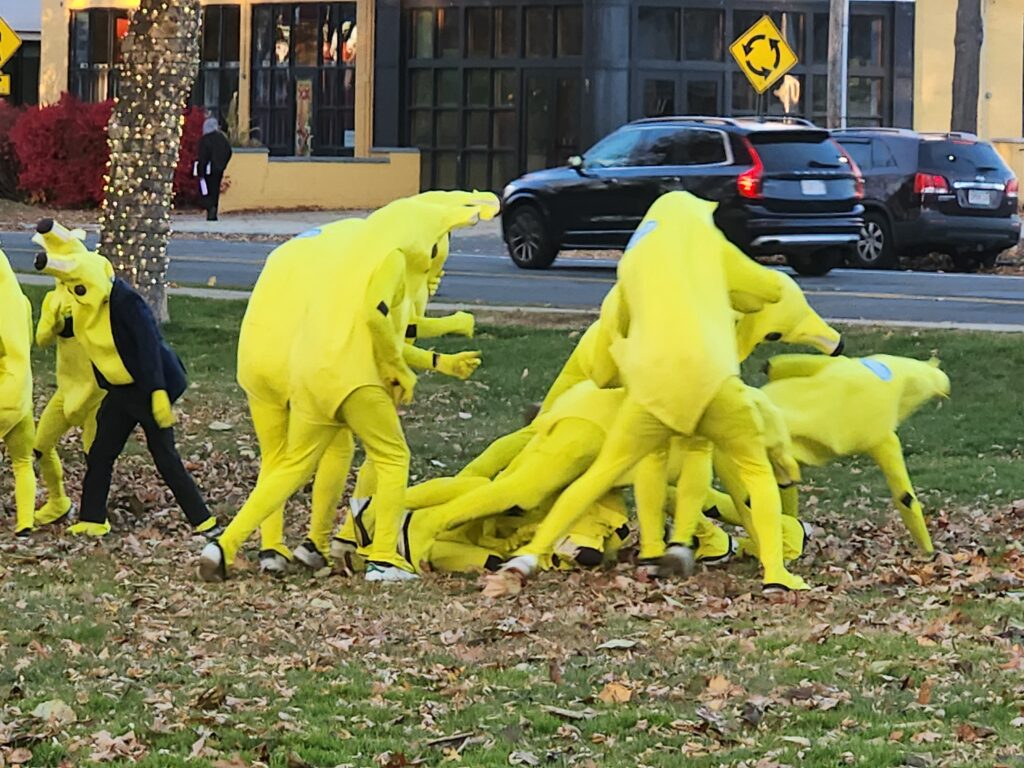
One of the unexpected pleasures of volunteering was discovering how many people were willing to show up. Pearson’s recruitment efforts brought the University of Massachusetts Amherst water polo team into the neighborhood’s Halloween operation. Students who might otherwise have spent the evening doing something entirely different became part of a community tradition.
There were other encounters, too. Horseback riders on Elm Street added another memorable dimension to the evening. I met Aidan a 19-year-old UMass water polo goalkeeper. A handshake and a conversation turned a volunteer assignment into a genuine human connection.
It turns out that sometimes all it takes is Barbara Pearson and a good reason to show up.
From Cowboys and Hobos to Minions and Inflatable Toilets
Halloween costumes are also a record of changing times. Town Councilor Jennifer Taub recalled costumes from the 1950s, when children might dress as cowboys, hobos, or characters that reflected the popular culture of the day. Those old costume conventions now remind us that what once seemed ordinary can reveal the assumptions and blind spots of another era. Photographs from those years capture the cultural references, social sensibilities, and collective imagination of the moment. Viewed decades later, a costume can become an unexpected time capsule.
The Maximalist Era of Halloween
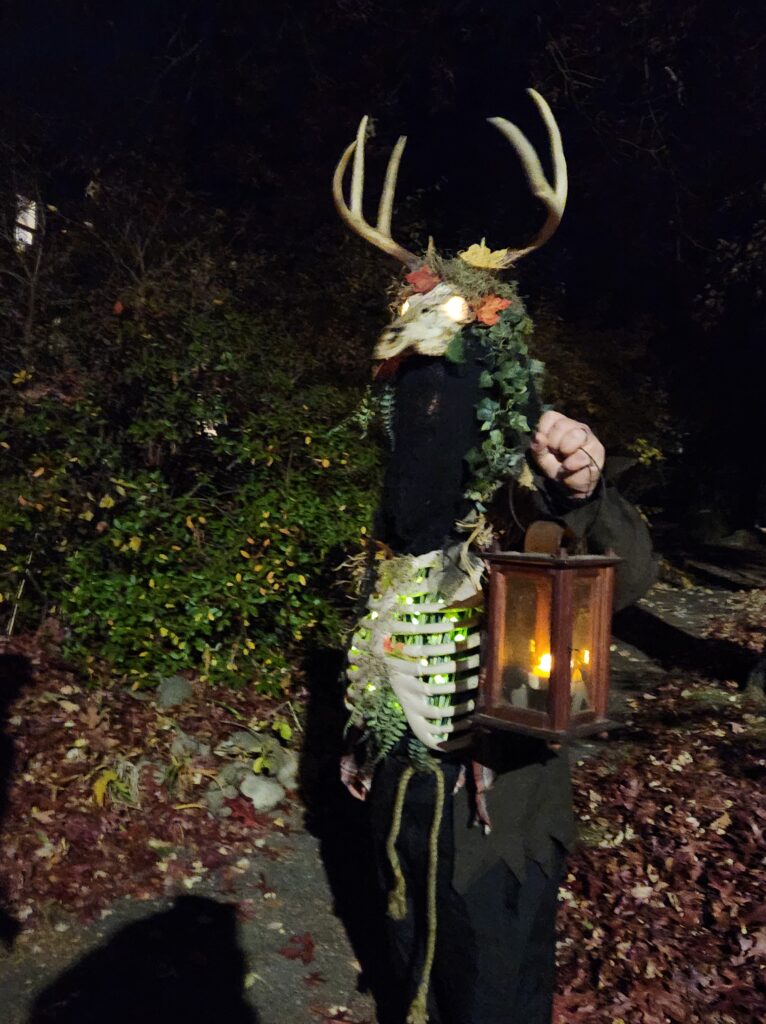
Halloween has entered its maximalist era. Somewhere between the homemade cowboy outfit and the inflatable toilet, the costume industry decided that you had to make an entrance. And thanks to Amazon, the transformation from ordinary human being to inflatable plumbing fixture has never been easier.
Today’s streets feature oversized Minions, wandering bananas, dinosaurs, and characters lit by LEDs and fiber-optic strands. Costumes have moved from homemade interpretations of familiar characters to elaborate, commercially produced creations inspired by movies, television, gaming, and internet culture. Dressing up has become a competitive exercise in imagination, engineering, and illumination.
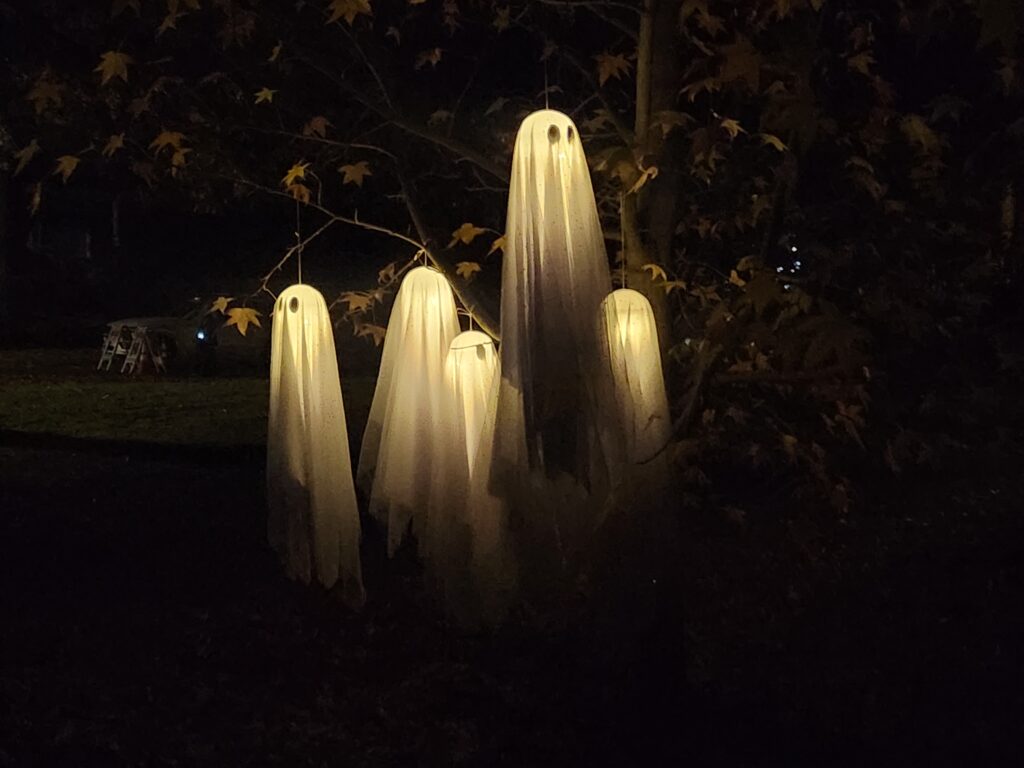
Some characters are adorable, some are absurd, and a few are the sort you might want to keep a little distance from. Yet the underlying appeal remains unchanged. Children get to inhabit another identity for an evening, adults get to take part in the spectacle, and the neighborhood gets a reason to gather.
What Keeps a Neighborhood Tradition Alive?
Three decades of community life cannot be reduced to a collection of costumes or a few hours of trick-or-treating. Traditions endure because someone stands beside a barricade and turns a stranger into a familiar face.
The costumes change. New families arrive, and old photographs become records of another Halloween. But the impulse behind the celebration remains remarkably consistent: to make a little room for joy in the middle of ordinary life.
Perhaps the real story behind the barricades on Lincoln Avenue is not simply the traffic arrangements but the unexpected connections they make possible.
Rizwana Khan is a writer, educator, and human rights advocate in Amherst.