
Finding Our Place in the Connecticut River (Kwinitekw) Valley: Beginning to Heal after 400 Years of Settler Colonialism
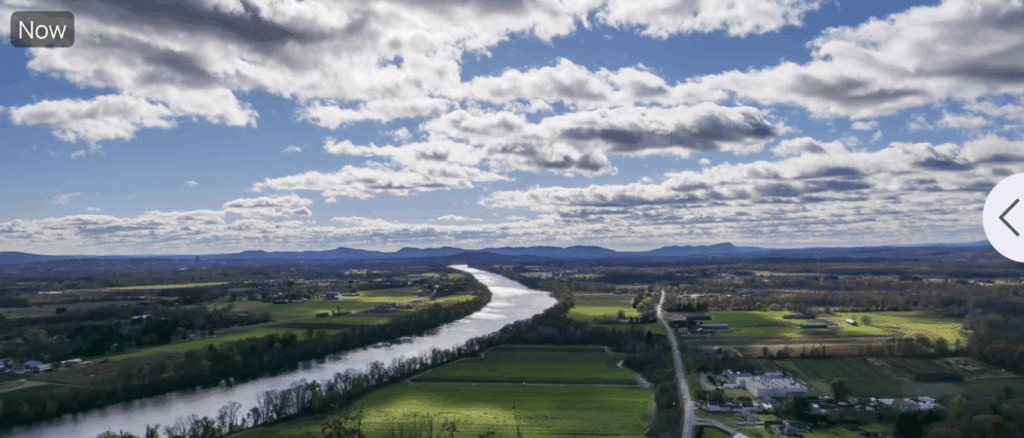
Connecticut River Valley today as viewed from Mt. Sugarloaf. Photo: Pioneer Valley Landform Observatory
Source: John Gerber
The Unitarian Universalist Society of Amherst’s (UUSA) Indigenous Awareness Circle is sponsoring a series of educational presentations and workshops this spring to learn about the rich history, worldviews and lifeways of the valley’s Indigenous peoples, past and present – and the traumas that 400 years of settler-colonizer violence have done, and continue to do, in this place. At a time of increased repression of marginalized voices in this country, this work to acknowledge the harms done and work toward healing is particularly important. This series is part of the congregation’s exploration of the roots of white supremacy on this continent and will inform the ongoing conversation regarding a proposed name change to distance the Unitarian Universalist Society of Amherst from the harms associated with Lord Jeffrey Amherst.
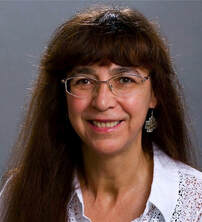
The first event on Sunday, March 22, from 3:00 p.m. to 5:00 p.m., will feature a presentation by Indigenous scholar Dr. Margaret Bruchac on Recovering Histories of Native Presence in the Kwinitekw (Connecticut River) Valley. Participants should register for the presentation and workshop, which may be attended either in-person at the UUSA meetinghouse (121 N. Pleasant St.) or on Zoom (see below to register). Additional events are planned for April and May with dates yet to be determined.
For many millennia, Indigenous people have lived alongside the Kwinitekw (the Connecticut River) in present-day western Massachusetts, engaging in reciprocal trade and diplomacy with their Native neighbors. Dr. Bruchac notes: “During the 1600s, Native leaders in Agawam (now Springfield), Woronoco (now Westfield), Nonotuck (now Northampton and Hadley) and Pocumtuck (now Deerfield and Greenfield) invited English colonists to establish trading posts and small settlements. Sachems like Chickwalloppe, Mashalisk, and Umpanchela negotiated diplomatic and trade relations with English colonial settlers and attempted to preserve, in written deeds, Indigenous rights to hunt, fish, gather, plant, and live here in perpetuity. Yet, during the late 1600s and into the 1700s, colonial conflict and warfare violated these agreements and fractured these relations.”
Dr. Bruchac’s presentation will offer a glimpse into colonial relations, while also reflecting on the lives of Native families who remained highly visible in New England in the aftermath of warfare and displacement, utilizing long-standing Indigenous skills, kinship networks, and ecological knowledges.
Following the presentation, participants will be invited to meet in small, facilitated groups for a workshop to discuss their own understanding of Indigenous and Colonial Settler relations in the past. They will examine the histories and stories they were taught, and consider how better understanding could affect their thinking on current questions such as reparations, land back projects, inter-cultural relations, and the on-going oppression of immigrant populations. This series is also an opportunity to build relationships of mutual support with others who wish to explore ways to participate in healing the wounds of generational trauma caused by white supremacy.
This series is offered by the UUSA Indigenous Awareness Circle and is open to all interested people. The purpose of this work is to explore ways to engage with Indigenous histories and Indigenous people here in the valley. This work is guided by the 5-step framework for Developing right relations with Indigenous Peoples.