
The Creative Mid-Century Economy: Places to Rest and Renew, and Motel Court Vacations
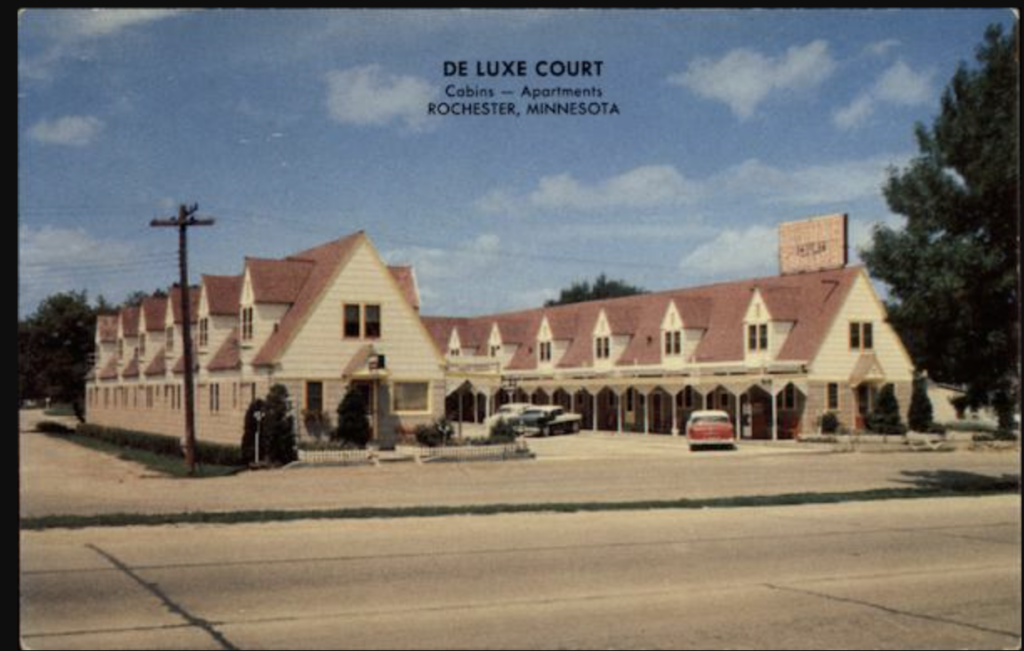
The De Luxe Motor Court, Rochester, MN, opened in 1942 and served African-American travelers. It is listed in the Green Book. Photo: https://community.village.virginia.edu/greenbooks
This is the fourth article in a five-part series. Follow the links to read the previous installments: Part 1, Part 2, and Part 3.
Last time, I wrote about summer cabins — built by programs such as the Civilian Conservation Corps — that working-class New Englanders and Americans as a whole used as vacation spots during the interwar years. It is worth remembering that the motor car became more affordable in this era and yet American workers struggled for generations to win summer vacations from work. When time off was possible at all, it was usually unpaid. France led the way in 1936 by guaranteeing paid vacations for workers. Some Scandinavian countries followed, notably Sweden, with its 1938 vacation law, or “semesterlag,” and Denmark, with its Holiday Act, or “ferieloven,” the same year.
Closer to home, although not in the Valley, one unusual place that welcomed Americans of modest means in the years after World War II was Rock Rest in Kittery, Maine, across the Piscataqua River from Portsmouth, New Hampshire. Clayton and Hazel Sinclair bought the property in 1938. From 1946 to 1977, they ran it as a summer guest house for African American travelers, one of the few known places in Maine that welcomed Black guests at the time. The property is now listed on the National Register of Historic Places.
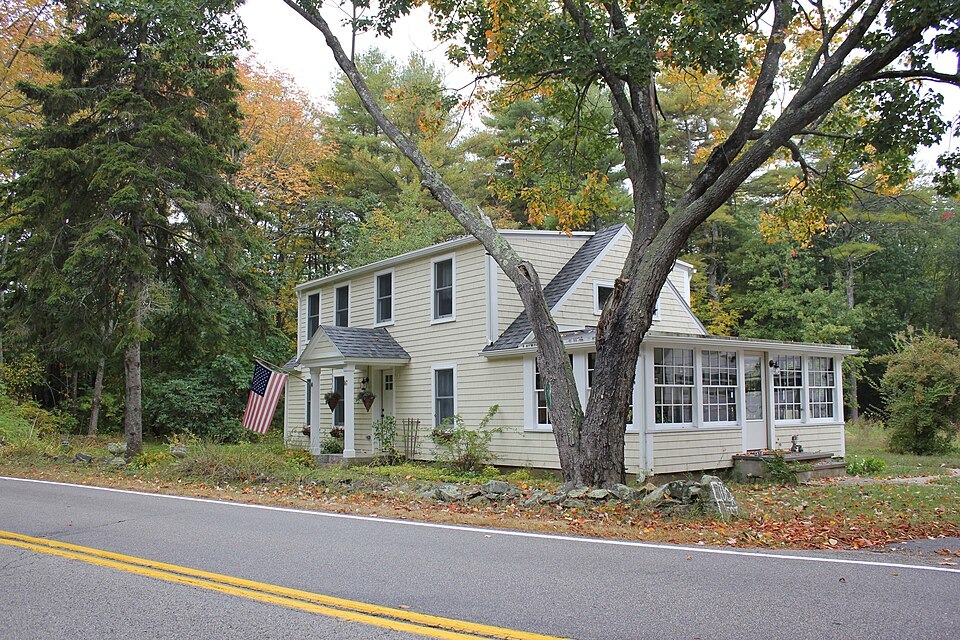
The Sinclairs owned and managed Rock Rest together. Clayton worked as a chauffeur at the Portsmouth Naval Shipyard, which, despite its name, is in Kittery, and he also tended a large vegetable garden that fed the guests. Hazel managed the inn and did the cooking. She had previously worked as a maid in several summer homes in the area.
Rock Rest wasn’t listed in the Green Book, which used to puzzle me. Instead, at a time when many accommodations turned Black travelers away, the Sinclairs built their business largely through word of mouth, discreetly offering affordable summer breaks and retreats. Guests stayed in second-floor rooms, and many of the summer activities planned for them took place under a large tent in the backyard. By 1948, Rock Rest had become a full-time inn. In the off-season, Hazel worked as a caterer.
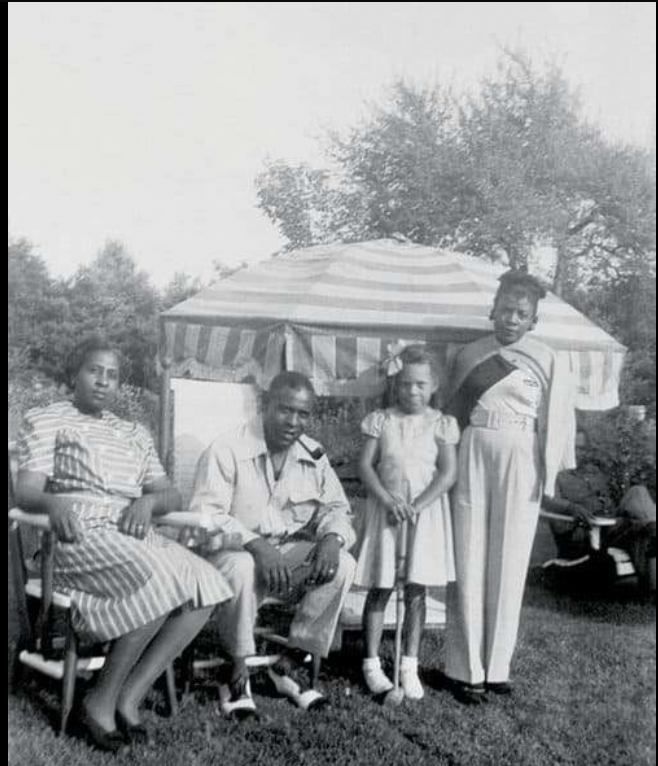
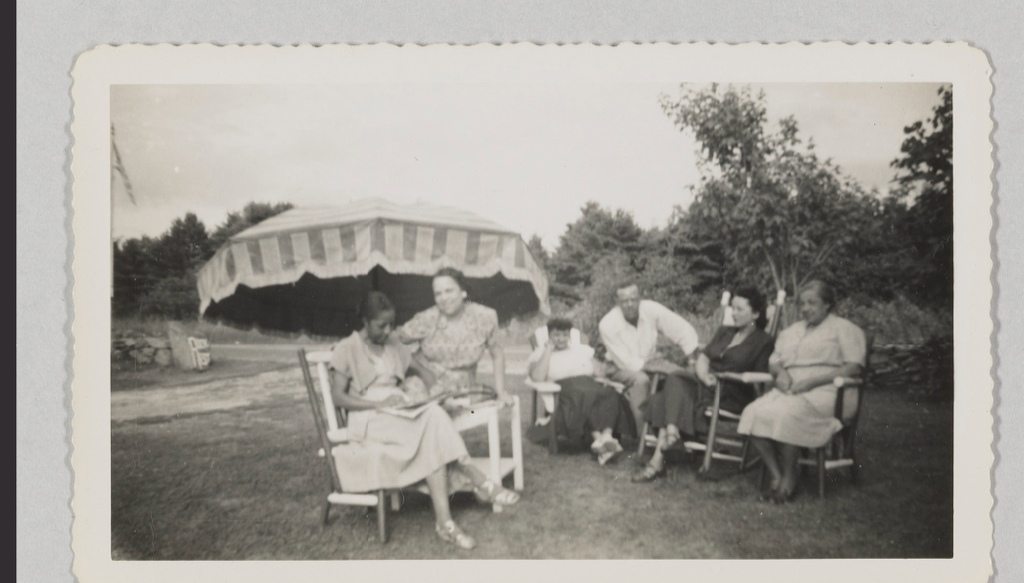
Clayton died in 1978, and Hazel died in 1995. I wish I had met them. I was, however, lucky enough to tour the house and other Black history sites in the area with my public history graduate students, thanks to the leadership of Valerie Cunningham. Cunningham had worked at Rock Rest as a young woman and later founded the Portsmouth Black Heritage Trail.
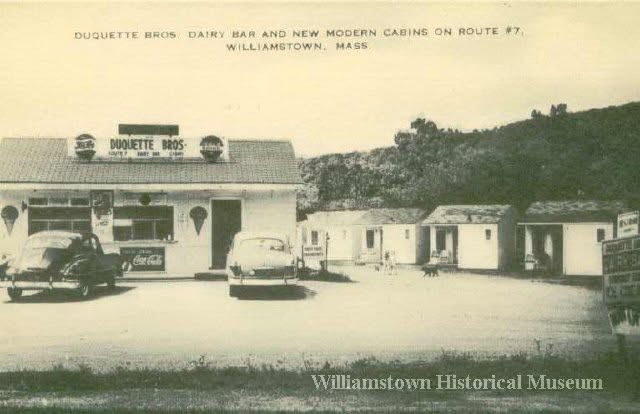
I was curious to learn more about what happened to recreation and rest – or wellbeing – after World War II. This was the great age of motels and one type of vacation lodging became more visible — literally so, in the post-War decades. These were small, privately owned, mom-and-pop-style motels that lined Route 1 from Connecticut and Rhode Island to Maine. Others dotted Route 2, on the Mohawk Trail, between Greenfield and North Adams. The motels’ growth was tied partly to the local farm economy. If your family farm had street frontage on a county or state road such as Route 1 or the Mohawk Trail, you might supplement your income by building a row or semicircle of small white clapboard cabins, each with its own window and front door. These modest rural motels were, and still are, known for their picturesque clusters of cabins. They suited families who couldn’t afford a big hotel as well as travelers who liked the flexibility of pulling the car right up to the cabin door for the night.
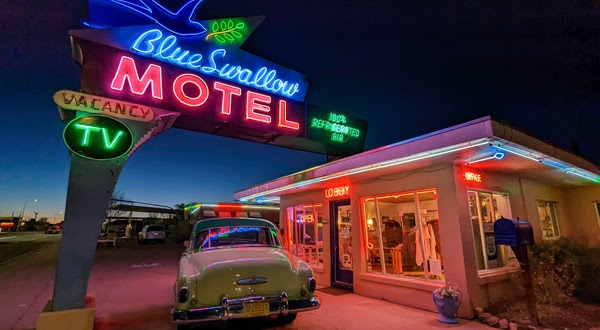
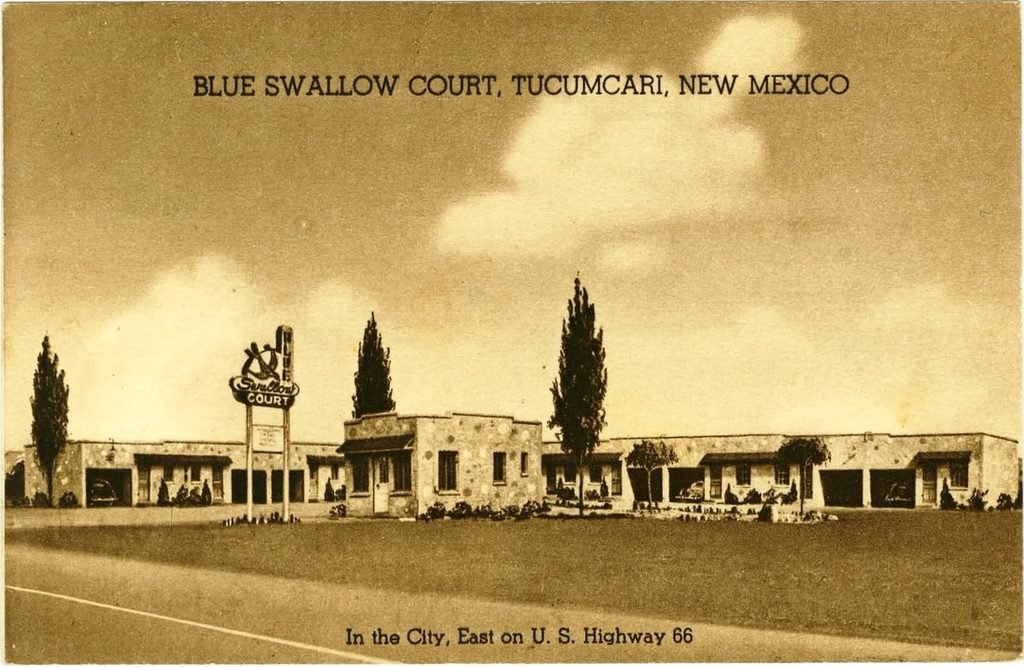
These days such motels are a rarity or “an endangered species” but they still are popular on historic Route 66 like this one below.
I have been intrigued by these modest roadside accommodations since moving to New England in the late 1980s. Even their signs can be compelling, advertising electric light, mattresses from companies such as Simmons, and rooms “for the night or for a lifetime.” Some still operate today, such as sites in Charlemont and Williamstown, and they remain popular options for vacationing in New Hampshire’s White Mountains.
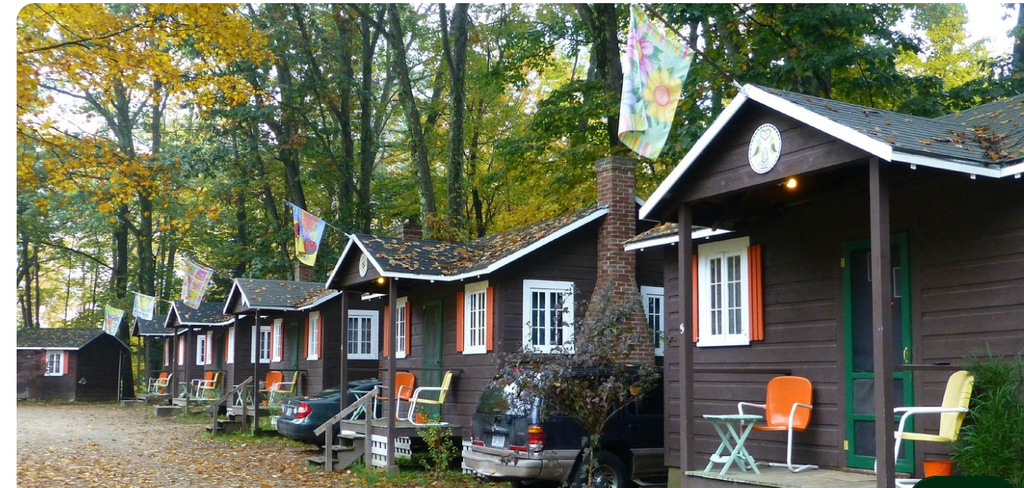
By 1947, about 22,000 motor courts were operating across the U.S. I would love to hear from readers who, like me and my family, have stayed at places like these.
The final article in this series will pull together the themes of the first four pieces, suggesting examples of cultural and social change from the 1970s to the early 21st century and focusing more on the counterculture.