
FAQ: Amherst Hauler Reform and Curbside Compost Pickup
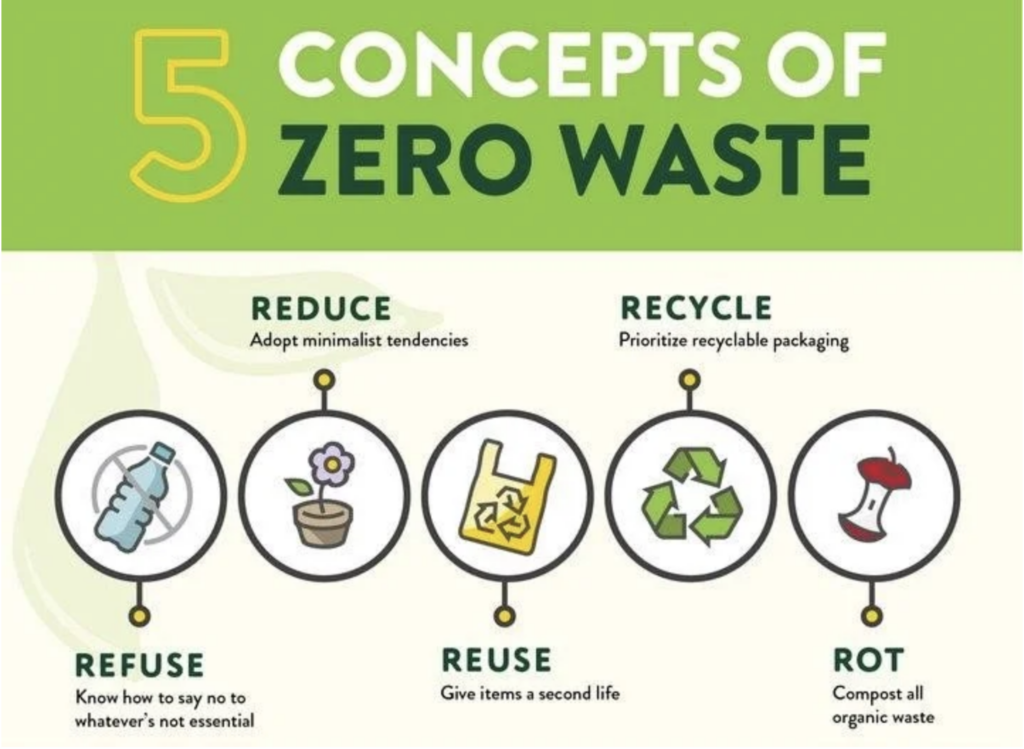
Photo: Zero Waste Melrose
This FAQ on Amherst hauler reform and curbside compost pickup was revised on Nov. 13, 2026.
What is the hauler proposal?
Currently, residents must either contract directly with USA Waste and Recycling (USA) or haul their waste to the town’s transfer station.
On August 15, 2022, the Amherst Town Council considered a proposal to switch from the current subscription hauling system to a town contract with the hauler that would include universal curbside compost pickup. The proposal includes a requirement that compostable materials be processed and used locally and that the program be phased in, starting with 1-4 family homes and later including apartment complexes, homeowners associations, and businesses. It requires a Pay As You Throw fee structure, which could be based on cart size, pickup frequency, and/or the number of bags you purchase. The proposal was referred to the Town Services and Outreach Committee (TSO) to come back with a recommendation to the Council within 90 days.
Source: Town of Amherst, August 15, 2022 Town Council packet, Bylaw proposal, Memo in support, slide presentation, video of the presentation and discussion on August 15, starting at 4:09.
Who is proposing hauler reform?
Four Councilors have sponsored the hauler reform bylaw proposal: The original sponsors were Jennifer Taub (District 3), Shalini Bahl-Milne (District 5), Ellisha Walker (at large), and Andy Steinberg (at large). The current councilor sponsors are: Jennifer Taub, Ellisha Walker, Amber Cano-Martin (District 2) and Jill Brevik (District 1). The community sponsor is Zero Waste Amherst. A list of town-wide endorsers is also below.
What is the current status of the proposal?
In 2024, the council unanimously voted to urge the Town Manager to send out a Request for Proposals (RFP) to obtain cost information. In November of 2026, the TSO received an initial report from consultant Mimi Kaplan of Pioneer Valley Planning Commission and a draft RFP. TSO then worked with the Town Manager to write an RFP that will not be binding on the town but will provide cost information for future decision-making. The town has already received a lot of information from an RFI (Request for Information) answered by three local haulers (USA, Casella Waste Management, and Republic Services), including that they would all be willing to provide curbside compost pickup. A new local compost hauler has appeared since then: Banana Compost.
Most recently, the sponsors have proposed phasing in curbside compost collection. Under this proposal, town residents would be invited to participate in a voluntary curbside compost collection program provided by a hauler partnering with the town. The phase-in would give residents time to learn about curbside composting and its benefits. After two years of pilot and community outreach and education, the program would become part of basic curbside service included in the hauler contract(s).
What has the Board of Health said about the proposal?
The Board of Health has jurisdiction over hauler regulations in Amherst. ZWA took the proposal to the Board of Health, and in January 2022, it moved to support the proposal and asked the Town Council and Town Manager how to move it forward. Then, in June, it sent a letter to the Town Council asking what had been done as a result of its earlier request.
Source: June 2022 Letter from Board of Health.
In September of 2025, it urged the manager to move with more urgency on finding a consultant to draft an RFP to local haulers, which resulted in the hiring of a consultant from Pioneer Valley Planning Commission in December of 2025. The Board of Health will discuss additions to its hauler regulations over the next months.
How can I support the proposal?
You can support the proposal by emailing the Town Council at TownCouncil@amherstma.gov. Enter your comment on this form.
Why would Amherst want to change to a town contract?
Amherst is committed to being a leader in sustainability. Making the proposed changes would be better for the climate, better for our air, soil, and water (especially for climate justice communities living near landfills and incinerators), and better for our pocketbooks! It would also move us toward achieving our state and local Zero Waste and Climate Action goals.
USA Waste and Recycling has raised its rates significantly since achieving a virtual monopoly in Amherst. The town and its residents currently have no input on the services provided, no ability to promote environmentally sustainable practices, and no control over escalating costs. A competitive bidding process resulting in a town contract would almost certainly lower prices and give the town the ability to implement waste-reduction practices. For every day we maintain the status quo, we send at least twice as much trash to landfills and incinerators as we would if we implemented this proposal.
Amherst is one of only two municipalities of the 11 largest communities in Western Massachusetts that don’t yet have a town hauler contract or provide hauling services directly. Source: Department of Environmental Protection.
Why would we want to require our hauler to provide a meaningful Pay As You Throw fee structure?
The current waste hauler in town charges only a $2 difference monthly between each size cart (32 gallon, 65 gallon and 95 gallon) and NO difference if your collection is weekly or biweekly. There is no real incentive to reduce waste.
Pay-As-You-Throw systems incentivize waste reduction and have been shown to reduce waste by 35%. In the proposed program, households would pay more or less based on cart size and frequency, or on how many official bags they need to buy to hold their trash. If they generate more trash, they will pay more. Remember, after implementation, half of your “trash” can be diverted to a compost bin so it is likely that you will be able to use a smaller cart than you currently use.
The town already has a “solid waste enterprise fund,” so that would be the most logical vehicle to use since it would allow a Pay-As-You-Throw fee structure. Absorbing the contract cost in our taxes would not allow that.
Does Pay-As-You-Throw disadvantage anyone?
A pay as you throw hauling system provides equity where haulers have not provided it before. It treats trash collection as a utility. The less trash you produce, the less you pay. It’s the same way you pay for your water bill. You pay for what you use. Low wasters will no longer subsidize large wasters. The objective is to learn how to waste less.
The town could provide low-income vouchers, but households are very unlikely to pay a hauler more than they do now for trash and recycling once the town has a contract.
Why use one size carts and overflow bags?
This waste reduction proposal involves changing habits so that we reduce, reuse, recycle, repair, and compost instead of throwing in the trash. The reason to use one-size carts and overflow bags is that it has been shown to be the best practice in waste reduction. People tend to notice that they are wasting and paying more when they see bags weekly. If you use one overflow bag a week at $3/bag, you pay an extra $12 a month for trash pickup, and if it’s two overflow bags a week, you pay an extra $24/month. When you use a large cart, you forget about how much you are wasting.
What we do will depend on the RFP responses and the town council vote on a bylaw. But the overflow bag issue is not a deal breaker. There are other options, such as using additional same-size (not larger) carts rather than bags. And remember, if you are diverting compostable materials from the trash, including compostable containers, you will need a much smaller cart. If you were getting by with a 65 gallon cart, you could easily go to a 45 gallon cart with compost diversion.
If we use overflow bags, won’t animals get into them?
Any plastic bags with food in them will attract animals, whether in carts or on the ground. Options include: diverting food scraps into a compost bin, putting your trash out on the morning of pickup, putting the overflow bag in a barrel, making sure the overflow bag isn’t the one with food scraps,. If you are in a very wooded area, you could request a “bear proof” cart. Using common sense is the best bet.
Why would we want to include universal curbside compostable materials pick up?
Offering this service is expected to reduce our waste stream by up to 40%. Each household would get a container for compost. Almost half of what previously went in your trash would go in your compost bin.
Source: City of Cambridge DPW composting program.
The sponsors are proposing that Amherst start with a voluntary curbside compost program for two years where the town would partner with a hauler, recommending its services. The program would either be grant-funded or resident-funded or both. Early adopters could sign up and spread the word to others over a two-year period. After two years, curbside compostable materials pickup would become part of the basic waste-hauling service. Making the program universal ensures a far greater waste-reduction impact than voluntary collection alone. Pairing universal compost collection with a meaningful pay-as-you-throw system can reduce trash by up to 75%, in line with California’s waste reduction goal.
What would be included in the compostable materials?
“Compostable materials” include organic material – food scraps, food-soiled paper, compostable containers, clean wood and plants.
Source: USA Waste and Recycling and Waste, Martin’s Farm. Note: In 2024, USA limited its compost pick up to food scraps and certified compostable materials.
I already put my food scraps in a backyard compost pile. Why would I want to do this?
There are many items that backyard composters won’t add to their compost. They include meat, eggs, and bread and other food that attracts animals. Also paper products, and compostable containers don’t break down in backyard compost because the temperature doesn’t get high enough. There will be plenty to put in your compost bin even if you continue to backyard compost. .
Could yard waste be added to the compost bin?
That depends on what’s in the contract and the cost. But it could! Our local hauler accepted yard waste in its compost bins until it didn’t.
Source: Martin’s Farm.
Where would the compostable materials be processed?
Martin’s Farm in Greenfield has a major compost processing operation and has agreed to take Amherst’s compostable materials.
Source: Martin’s Farm, ZWA interview with Adam Martin, of Martin’s Farm.
Industrial compost facilities are far better than anaerobic digestion facilities because they accept compostable materials other than food scraps.
Would the compostable materials be used locally?
Yes! Martin’s Farm creates a product that can be purchased and used at farms and in gardens.
Source: Martin’s Farm.
What would this change cost residents?
We won’t find out the amount of the basic fee until we ascertain exactly what the town wants to include in the contract, and awards a contract to a bidder. But residents in other towns with contracts pay on average half of what residents with subscriptions pay for trash and recycling contracts. And it will depend on how much trash you put out.
I use the transfer station. Would I be included? Will hauler service cost me more than I pay now?
Transfer station users are a small minority of Amherst residents but some of our biggest trash reducers. About 1300 transfer station users dispose of their trash, recycling, and compost. The council is very unlikely to vote to close the transfer station to those services. The sponsors are proposing an exemption from participation in the contracted hauling based on a resident hauling trash, recycling, and compost to the transfer station. (The Daily Hampshire Gazette’s warnings were premature.)
Transfer station users currently purchase an annual sticker at a cost of $125/year. On top of that, they pay $30 for each 10 official bags they use. They may pay, on average, somewhere around $230/year, including the sticker, bags, and gas to get there.
Source: Transfer station website.
Providing universal resident membership (for a small fee) in the transfer station is also being considered so that all will have access to the recycling of hard-to-recycle materials, like mattresses and electronics. Such an expansion of bulky waste services would be especially helpful in a college town that produces bulky waste on a frequent basis.
I am one of Amherst’s 1500 households of one person only, and produce very little trash. How would this benefit me?
You are currently at a huge disadvantage if you use hauler services. That’s because, no matter how little trash you generate, you still pay USA virtually the same as larger trash generators. This proposal would incentivize trash reduction by charging based on how much trash you generate.
An example is that one of the original sponsors, Shalini Bahl-Milne, uses a 96 gallon trash bin that is picked up every week. Though Shalini has 6 times the trash capacity, she pays USA only $4.00 more per month for trash and recycling services than Darcy DuMont does, who uses a 32-gallon trash bin that is picked up every two weeks.
I’m a renter. How would this affect me?
Because extending the program to apartment complexes will take longer and require input from renters, the proposal is to phase in apartments after 1-4 family households. Whether using dumpsters or carts, renters will need to be educated about how the program will work. ZWA hopes that some neighborhood compost sites can be provided pending implementation of later phases of the program.
I already have USA’s optional curbside compost pick up. How would this affect me?
You’re in luck, because under the proposal, the optional service you are paying extra for now would hopefully be included in basic service at some point during program implementation, with whatever hauler or haulers the town contracts with. Compost collection may be voluntary to start but won’t have the desired waste reduction effect until universal.
I use USA services but also need to use the transfer station services to recycle hard-to-recycle items, like mattresses and electronics. Residents need to pay $125 for a sticker in order to recycle items like mattresses and electronics, which doesn’t make sense and is a disincentive to recycle. Does this proposal solve that dilemma?
ZWA would like the basic hauling fee to include a small additional amount for all residents, providing universal membership in the transfer station.
I am a business owner or manager. Does this apply to me?
Yes. In a town of restaurants, we definitely want to capture those food scraps. (Most of our restaurants don’t qualify for the state compost ban because they are too small.) The bylaw proposal requests a phase-in “over a period of three years, starting with 1-4 family residences and, within three years, including apartment complexes, condominium complexes, and businesses.”
Would changing to this program be worth it?
Adopting this proposal would greatly benefit the town and its residents. Both the Board of Health and the Energy and Climate Action Committee endorsed it. It has specifically been proposed in our Climate Action Adaptation and Resilience Plan and in our 2016 Solid Waste Master Plan. Staff time would be needed for start-up- to set the billing program up, draft the regulations, and create a Request for Proposals- but once set up, it would be smooth sailing. Start-up costs and staffing can be absorbed by the town or included in resident fees, given Town Council direction to do so.
Every day we continue with the status quo, we are sending at least twice what we could under this proposal to landfills and incinerators.
Would the town need to commit staff time to deal with resident complaints or equipment maintenance?
The town would not need to commit staff time to resident complaints or equipment maintenance if the contract makes the hauler responsible for those tasks.
Why not have the town take over trash hauling services “in house”?
Many would like to move away from the national hauler system altogether. An in-house system would provide ultimate control over our waste reduction. However, the current budget may not allow the town to take on the cost of doing so. The town did provide hauling for the schools but recently moved to a contract. It still provides hauling for municipal buildings and parks, but doesn’t have the vehicles or staff to haul for the whole town, at present. Modeled after Louisville, CO, the proposal allows flexibility to move to such a system if it becomes viable.
Source:Louisville, CO hauler bylaw.
What groups have endorsed the general proposal?
- Amherst Board of Health
- Amherst Energy and Climate Action Committee
- Amherst League of Women Voters
- Hitchcock Center for the Environment
- Climate Action Now Western MA
- Mothers Out Front, Amherst
- UMass Student Farming Enterprise
- Sunrise Amherst
- Progressive Coalition of Amherst
- Unitarian Universalist Society of Amherst Green Sanctuary Committee
- Zero Waste Central Valley
- Amherst Bilingual Studio
- Sierra Club, MA Chapter
- Community Action Works (Formerly Toxics Action Center)
Do we know current prices for USA Recycling and Waste services?
Our current hauler provides very little transparency. It doesn’t advertise its cart sizes and costs. In the course of surveying the town regarding services and costs, it was confirmed that the average cost per household of hauling (in 2023) was $550/year. We know that the additional cost for picking up compost curbside by USA is $15/month. Their “concierge” service, picking up from your garage, is $1000/year.
What changes are coming with respect to state laws about composting?
Among its strategies for reaching its waste reduction goals, MassDEP expanded its waste disposal bans on November 1, 2022:
- Lowering the threshold on commercial organic/food waste to facilities generating more than one-half ton of these materials per week; and
- Added mattresses and textiles to the list of materials banned from disposal or transport for disposal in Massachusetts. Source: DEP.
What did our 2016 Solid Waste Master Plan recommend along the lines of this proposal?
Two of the recommendations in the Plan were:
- Identify and implement cost-effective methods to increase composting opportunities for residents, including curbside pickup of organics.
- Require each hauler operating in Amherst to provide curbside pickup of organics (including discarded food, non-recyclable paper products, leaves, grass, and yard trimmings).
Source: 2016 Solid Waste Master Plan
What kind of outreach to the public was done in 2017 for the Solid Waste Master Plan proposal?
The Recycling and Refuse Management Committee conducted a public survey to get input about support for the plan. 322 residents responded to the survey. 64% of the respondents used a local hauler.
To the question: “Should residents and businesses be required to divert organics?”, 61% of respondents said yes.
To the question: “Are you in favor of instituting curbside compost pick up?”, 69% of respondents said yes.
To the question: “Will you commit to composting [organics]?”, 80% said yes.
Source: Solid Waste Master Plan, Appendix.
For more information see the Zero Waste Amherst website.