
Opinion: Global Solidarity and the Climate Crisis
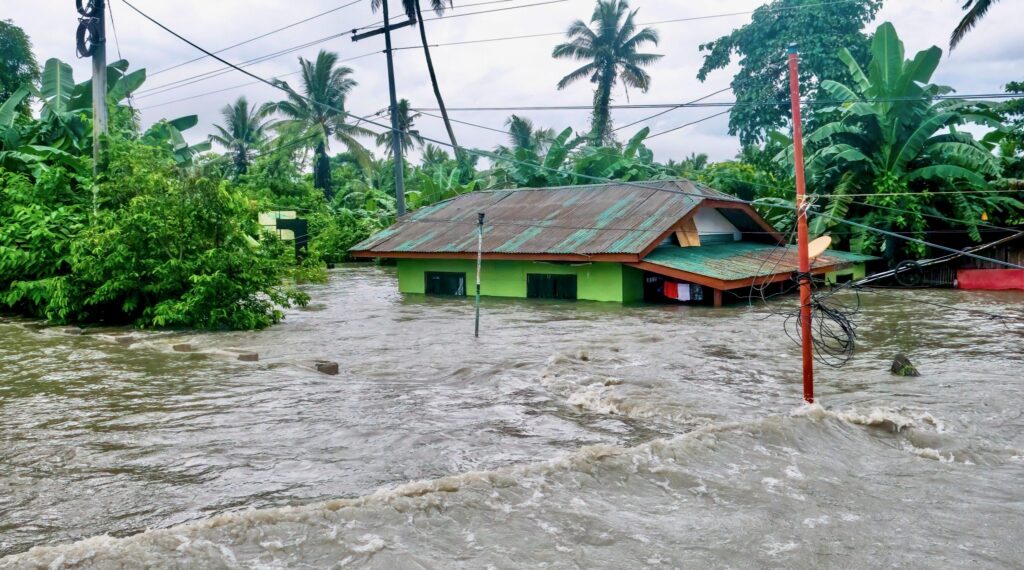
The Philippines, which has been hit by two major typhoons in the last week. Photo: Cheryl Ramalho c/o Istock.
Love, Justice, and Climate Change
It is healthy for us human beings to be in solidarity with each other. Sometimes this means simply keeping our hearts open and caring about others. Sometimes it means taking actions to support others – providing food, making a donation, calling a legislator, or attending a protest rally, for example. Even when we may not be in a position to take meaningful action, choosing solidarity with others is a much more wholesome stance for our own spirits than turning away or not caring. Keeping our hearts open is sometimes painful, but it is healthier, more human, and more alive than the alternatives.
I have long claimed that when it comes to the global climate crisis, we are all in this together. I think a sense of global solidarity is good for us as individuals, and is also good strategy for the climate justice movement. Ultimately, solutions to the climate crisis will require international cooperation and equity. In particular, they will require residents of wealthy nations that have been the primary cause of global warming to care about what is happening in poorer nations and to support their wealthy nations to take financial responsibility for the harms they have caused.
Two landmarks in the destructive effects of climate change occurred in the last few weeks and have been under-reported by the mainstream news media. We may or may not have any resources to devote to addressing these two, but caring and having a sense of solidarity with those affected is part of keeping our humanness fully alive.
Hurricane Hits Jamaica
On October 28, Hurricane Melissa struck the island of Jamaica with winds of 185 mph– equal to the worst hurricane winds to ever strike land. Super-charged by oceans and atmosphere made warmer by climate change, the storm ripped roofs off more than 120,000 buildings, brought storm surge flooding, killed dozens of people, and affected some 1.5 million people in Jamaica. The UN has estimated that the storm destroyed more than one-third of the island nation’s annual wealth.
Extreme Rains in Vietnam
The day before, record-setting torrential rains struck Vietnam. This statistic is so mind-boggling that I had to confirm it from several sources before sharing it. In 24 hours, parts of the city of Hue experienced 5 feet, 7 inches of rain! Thousands of people were evacuated from their homes. Damages were severe, of course. Again, scientists say that climate change made this storm much more deadly and destructive. The economic effects will be exacerbated as the majority of tourists are cancelling their hotel bookings for the nearby ancient town of Hoi An, which last year received more than 4.4 million visitors, including nearly 3.6 million foreign tourists.
I have difficulty wrapping my mind around either of these catastrophes. Each feels too big. Each is painful to face. However, it is a relief to not turn away, to actually face what’s happening.
Standing in Solidarity with Climate Activists Everywhere
Two things help me face what’s happening and stand in solidarity with those who are suffering. First, is that I also stand in solidarity with people all over the world who are working to end the climate crisis and to relieve suffering regardless of the cause. There are literally millions of such people. Because of them, I know I am not alone. You are not alone. We share a commitment to justice and sustainable ways of living on the Earth. Solving these problems is not just up to me or to you. We have more allies than we can imagine.
When it comes to climate change, we are part of a global effort to solve a global problem. We can be pleased about that and hold it in our hearts and minds. It’s a good platform for a sense of global solidarity.
Accepting Limits
Secondly, I know there are limits to my resources — to my time, energy, attention, and finances. We cannot take action on behalf of all the people or situations we care about. Instead, we get to choose where we put our energies — where we take action — and where we don’t. It makes sense for us to choose to engage in ways that are roughly equivalent to our resources of time, energy, and finances. Our choices will need to include caring for our own well-being, for people we care about, and for issues of social justice. We need to make peace with the fact that we can’t take action on everything that we care about. That’s healthy and okay.
Sometimes it’s good to stretch ourselves, to attempt to go beyond what seems easy and comfortable. If we get overextended, we can pull back.
Unlimited Caring
There are limits to how much I can do, but there need not be any limits to my caring. I don’t think it is good for us to close our hearts anywhere. When we can make good choices about where to act and where not to act, we are free to keep our hearts wide open and our humanity fully intact.
When I recommend choosing global solidarity, I’m not suggesting that we should spend all of our time feeling bad about all the horrible things that are happening in the world. We shouldn’t. That’s doesn’t benefit anyone. I’m suggesting that we know that we stand in solidarity with people everywhere and can make good choices about when to put our attention on hard things and when to put our attention elsewhere.
In the United States, there are many messages and pressures to think that what happens here and what happens to USers is more important than what happens in other places and to other people. That is clearly false. To the extent that people hold that view, it distorts our perceptions of the world and the ability of our nation to be a responsible member of the global community. As we choose global solidarity personally, and share that perspective with others, we can, over time, shift this widespread national confusion.
Here’s to helping a sense of global solidarity grow around each of us.
I have no special expertise in choosing charities to donate to and I have not researched these very thoroughly, but in case you are interested, here is where I made financial donations to help those in affected in Jamaica and Vietnam: World Central Kitchen – Jamaica and UNICEF – Viet Nam
Russ Vernon-Jones was principal of Fort River School 1990-2008 and is currently a member of the Steering Committee of Climate Action Now-Western Massachusetts. He blogs regularly on climate justice at www.russvernonjones.org.