
Conservation Commission Recommends Expanding Areas Where Hunting Is Allowed
Photo: Shutterstock
Report of the Meeting of the Conservation Commission, July 8, 2026
This meeting was held over Zoom and was recorded.
Present
Andrey Guidera (Chair), Jason Dorney, Bruce Stedman, Tina Smith, Sarah Matthews, Carol McNeary and Rachel Loeffler
Staff: Erin Jacques (Conservation Agent) and Dave Ziomek (Assistant Town Manager)
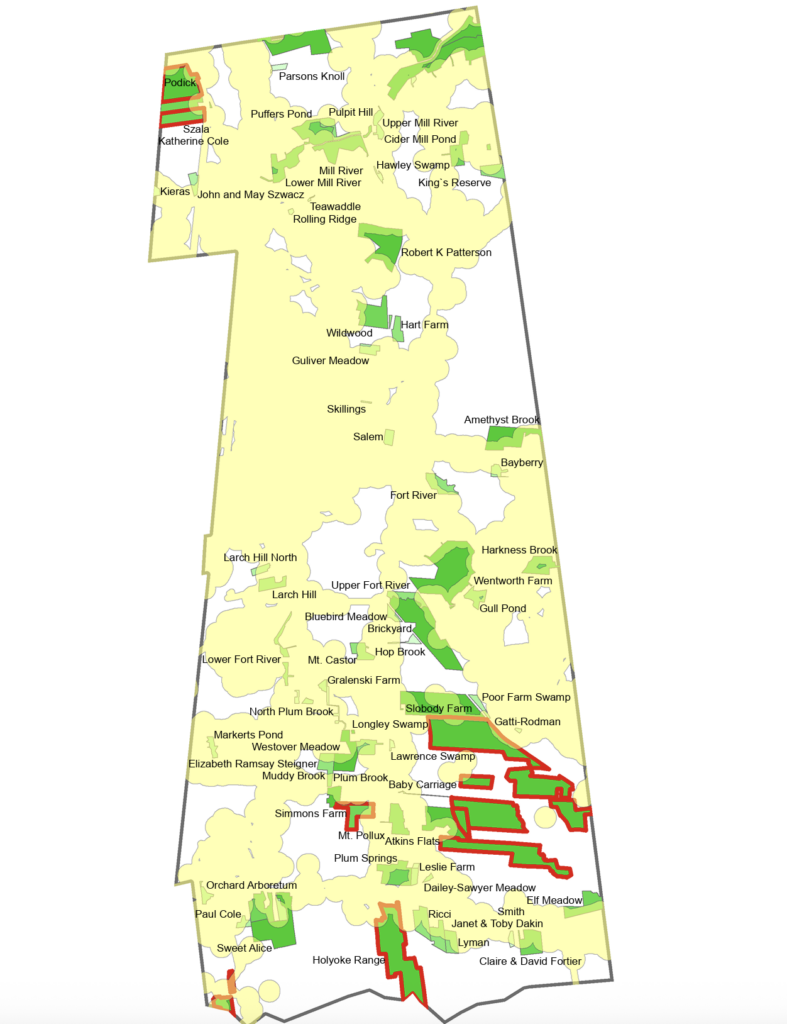
The Conservation Commission continued its evaluation of various parcels of conservation land for possible expansion of areas where hunting would be allowed. This is the last remaining section of the revision of the Conservation Land Management Policy and Regulations that the commission has been working on for the past several years.
Over the past month, the commission has come to agreement on which areas should be open for hunting and which areas should not allow hunting. At this meeting, additional parcels that staff recommended for hunting were discussed. Although there were some reservations about a few of these areas, commissioners largely agreed to recommend that hunting be expanded to include them.
Conservation Agent Erin Jacques said she will incorporate the discussion into a clean document highlighting any outstanding questions. This document will be discussed and voted on at a Conservation Commission meeting in August, and the approved document will be submitted to the town attorney for review. After feedback from the attorney, the commission must hold a public hearing, most likely in September.
Chair Andrey Guidera stated that the proposed document must specify whether the added areas will be opened according to state law or whether the town will be more restrictive in certain areas. The commission must also determine what times of year the areas will be open for hunting. He recommended a one-month season in spring in addition to the regular hunting season from October through January.
Sarah Matthews expressed concern about allowing hunting at Sweet Alice, near the Kestrel Land Trust headquarters, and at the area off South East Street that connects the Brickyard to the Meadows subdivision in East Amherst. Both areas have trails heavily used by hikers and dog walkers. Carol McNeary asked that the commission get feedback from Kestrel, but Ziomek pointed out that Kestrel owns only the 2.3 acres around its headquarters, and the rest of the surrounding land belongs to the town of Amherst.
Ziomek added that most of the areas under consideration are large, with only a small portion of each containing existing trails. He said the Silvio O. Conte National Wildlife Refuge in Hadley issued a map of the entire area where hunting is allowed, with an overlay marking the section containing the heavily used boardwalk. He suggested that Amherst prepare a similar map and install appropriate signage.
Guidera stressed that all hunters must take a safety course and that no hunting is permitted within 150 feet of a road or house. He said bird hunting is limited to ducks, turkeys, pheasants and woodcocks. Other bird species, notably songbirds, are protected.
Summer Brings New Problems to Conservation Areas
Ziomek reported that heavier use of conservation areas has led to conflicts at popular sites. Trash has been a particular problem at Puffers Pond amid the recent hot weather. There have been several conflicts between dog owners and other hikers at Amethyst Brook. The Fire Department has had to deal with people setting open fires at Wentworth Farm, which is especially dangerous amid the continuing drought.
In addition to these local proposals being discussed, Massachusetts is also considering several proposed changes to its hunting laws. In 2026, the Healey administration introduced legislation that would:
• End the statewide ban on Sunday hunting.
• Allow all hunters to use crossbows, rather than limiting their use primarily to hunters with disabilities or special permits.
• Reduce the required setback for bowhunting near occupied buildings from 500 feet to 250 feet
These proposals are currently under legislative consideration and have not yet become law.
https://www.mass.gov/news/governor-healey-announces-support-for-lifting-sunday-hunting-ban-expanding-hunting-access
Thanks, Michelle.
I hope some of the suggestions that I posted earlier here
https://www.amherstindy.org/2026/06/26/conservation-commission-evaluates-expanding-areas-for-hunting/
might be considered by the Amherst Conservation Commission, on which I served 2 decades ago.
Several of these could improve the experience and safety for both non-hunters and hunters on our vast conservation lands, many of which intersect with other important daily uses (e.g. recreation and active transportation along the Norwottuck stretch of the Mass Central Rail Trail).
P.S. The map shows orange as well as red outlines? Is that a printing error, or are these areas being considered for hunting? Many of these “allowed” areas are immediately adjacent to the newly improve part of the MCRT, so it’s disappointing that they are not under more scrutiny, considering the greatly increased use of the areas south of Station by folks who “walk and roll” regularly….