
Diners: Artifacts of America’s Mid-20th Century, They Persist into the Present
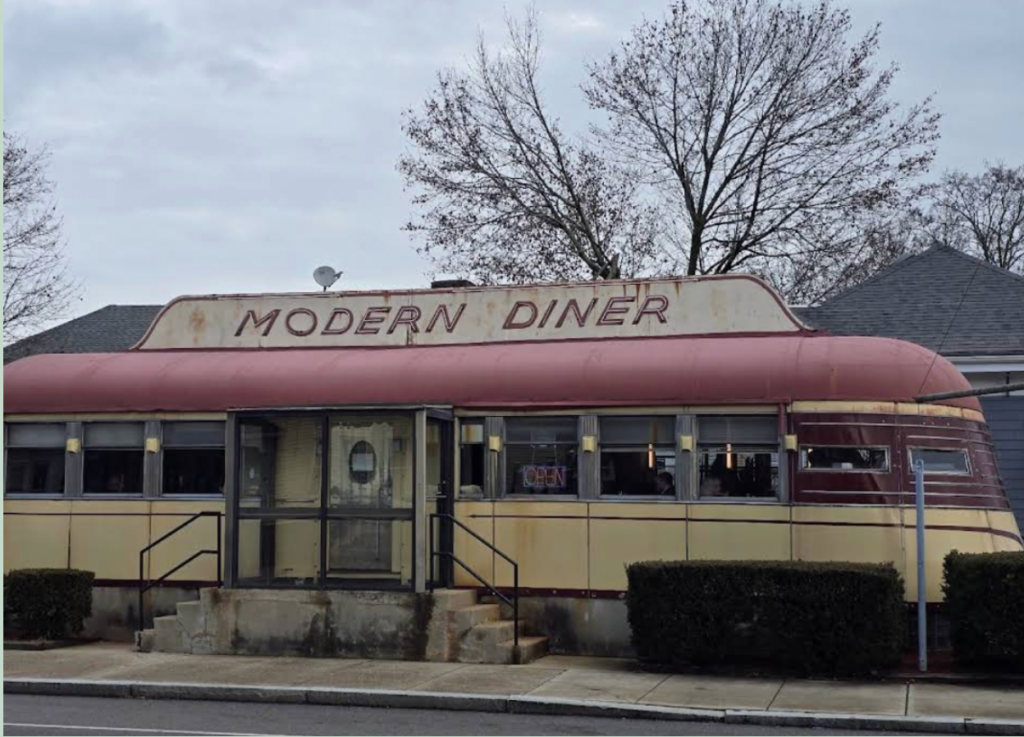
The Modern Diner, East Avenue, Pawtucket, RI
I’m still drawn to diners as if it were the day I began to put down roots in the United States. I think of them as an art form as well as a beloved — and perhaps sentimental — cultural destination, quintessentially American, right up there with baseball and the flag. The first diner I ever ate in was the Modern Diner in Pawtucket, Rhode Island, a stylish, low-slung building dating from the late 1930s and early 1940s (with a later addition in back) that still graces East Avenue today.
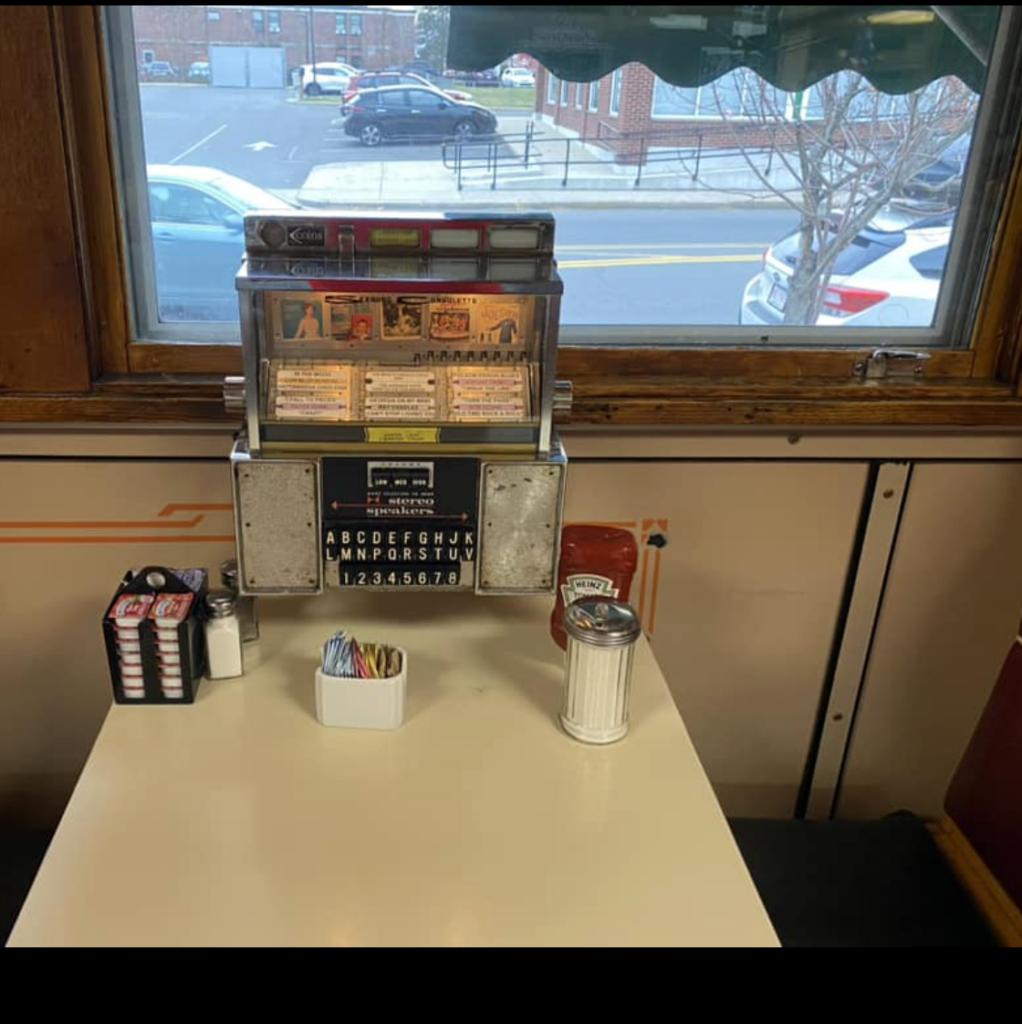
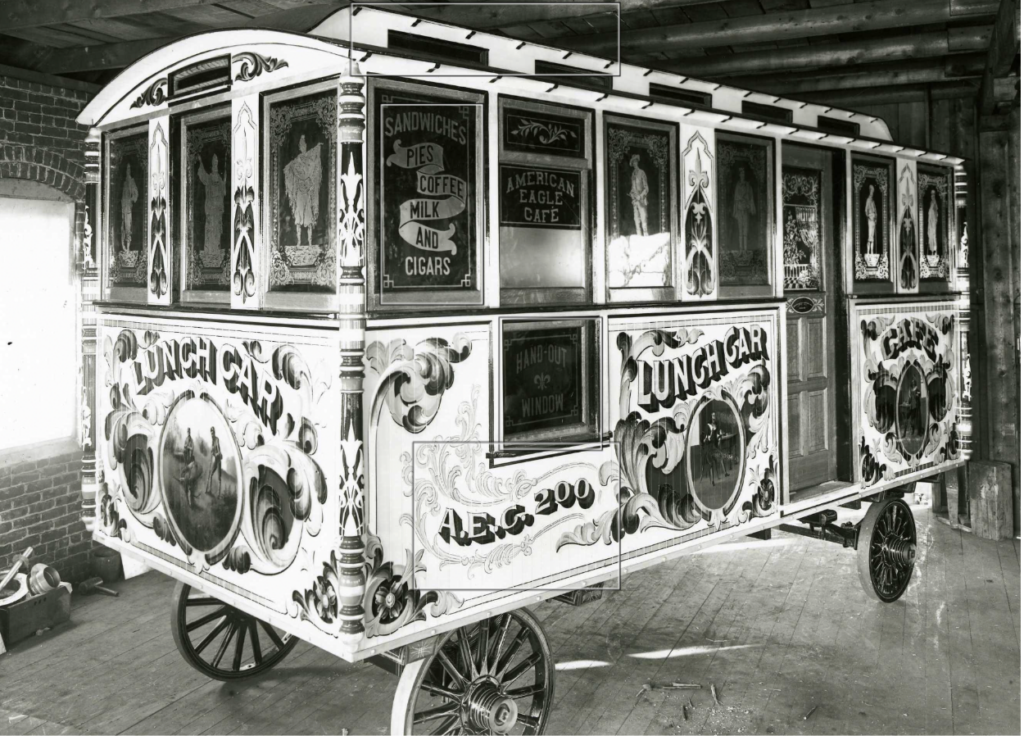
The building type originated in 1872 in nearby Providence, where Walter Scott wanted to provide affordable food — sandwiches, coffee, and pie — for workers coming off shift at nearby workshops and factories after restaurants had closed for the night. Diners were originally simple horse-drawn carts. By the 1880s, they were known as lunch cars, and in the 20th century they came into their own, with distinctive interiors featuring tables, then booths, and a long counter with chrome stools. Some had a mini jukebox at every booth.
Today, diners can be found all over the world. And you don’t need to eat at one to get a feel for their look: only one story tall, with many windows (like rail cars on an old-fashioned train) and often sporting metal-clad walls, they have a design unlike any other building type visible from public streets.
Lunch cars became prefabricated in Worcester, Mass., beginning in 1906-07, by which time they had started to adapt to new conditions. By the 1920s and 1930s, they had acquired a very streamlined, smooth look and were shipped all over the Eastern Seaboard. By the late 1930s and early 1940s, diners often reflected the architectural style known in Europe as Art Moderne or Art Deco. Popular in the United States as well, the style had a domestic variant known as Streamlined Moderne. One of the oldest Worcester Car-style diners — dating from 1941 — is the Miss Florence Diner (aka Miss Flo’s) in Northampton (in the village of Florence), founded by Maurice and Pauline Florence Alexander and a favorite destination to this day.
Prices sure have changed since the twentieth century and there are now gluten free and vegan items on the menu. Before World War II, diners had evolved to feature more carefully chosen menus of home-cooked-style food, attentive service, and endless refills for regulars. In a way, they were not just eateries but had become important community hubs where you could rub elbows at the counter with people from all walks of life. In the postwar period, diners increasingly catered to families, serving comfort food rather than the late-night factory worker crowd they had originally served.
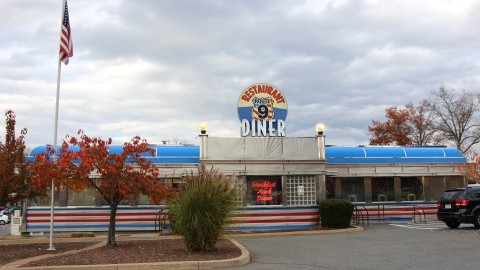
There are many diners in the Valley, although Amherst does not have one. The nearest is on the town line with Hadley — Johnny’s Roadside Diner on Route 9, which, like Miss Flo’s, is a popular destination for students. This spring, it was nominated for Best Breakfast in the 2026 Daily Hampshire Gazette Readers Poll.
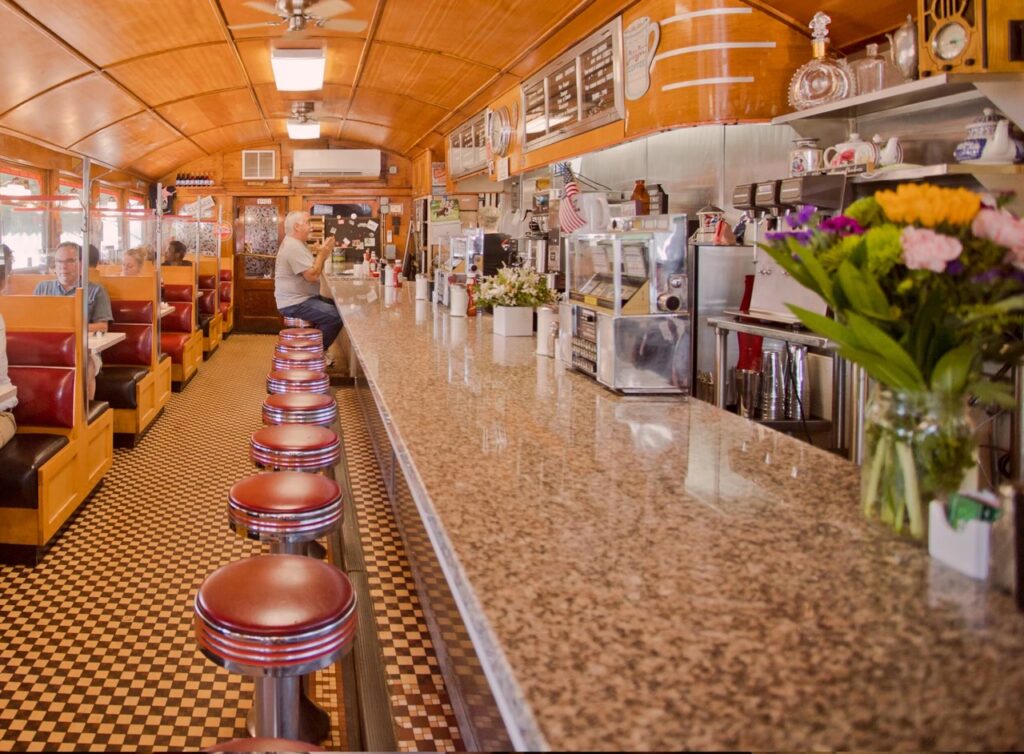
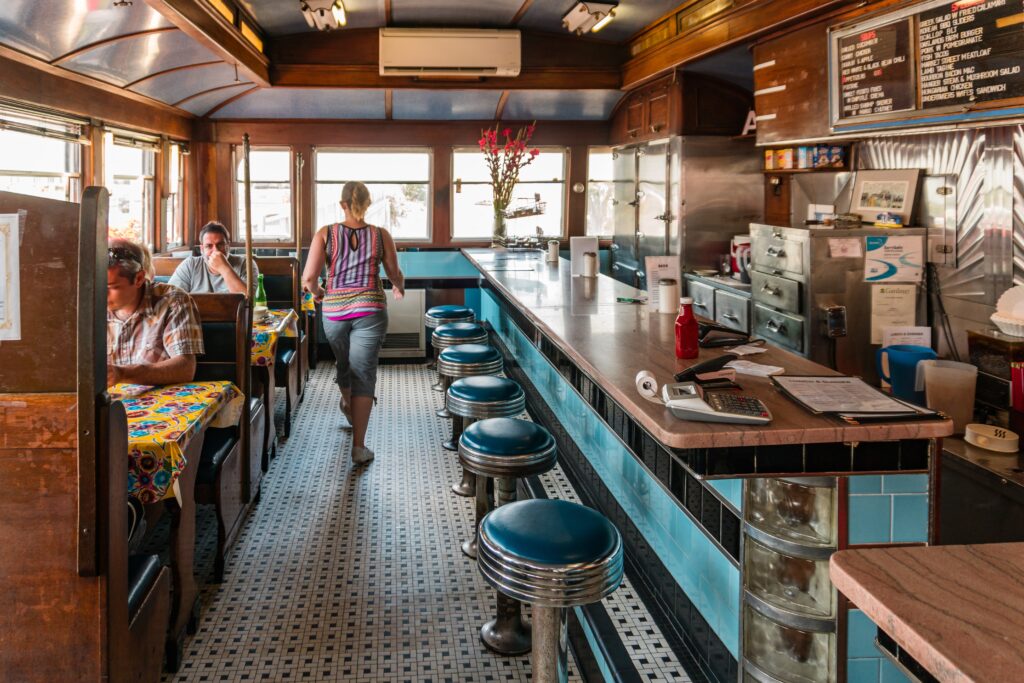
Other Valley diners include the Whately Diner, a Pullman Dining Car “Princess”-style eatery visible from I-91, built in 1958, at 372 State Road on Routes 5 and 10 and popular with truckers [image needed]; the Bay Diner in Springfield (although it may be for sale); the Bluebonnet Diner in Northampton, which opened in 1950; and Familiars, which opened in 1932 as Mac’s Diner and is now a coffee spot right by the railroad station.
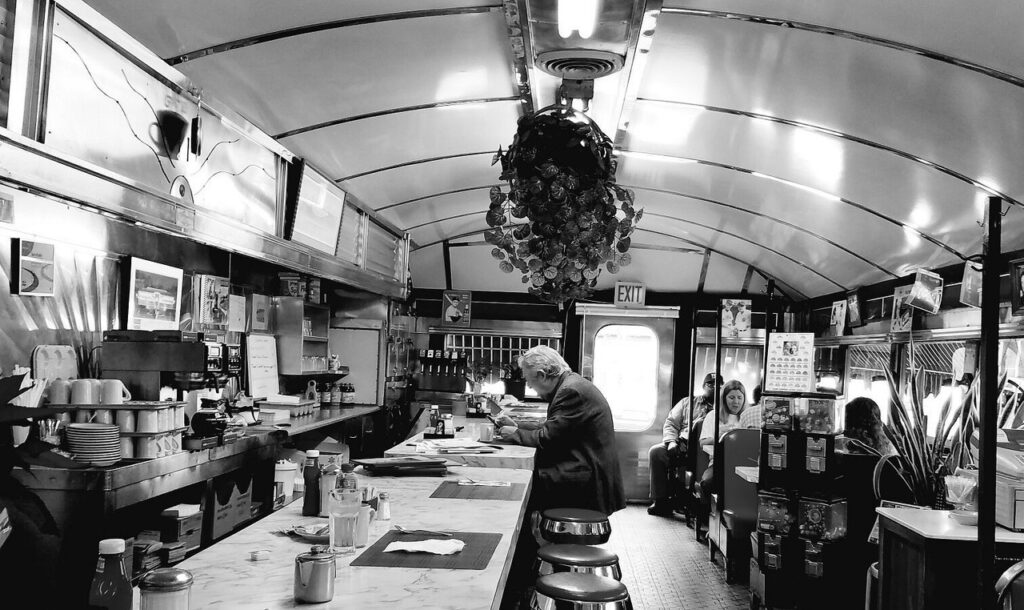
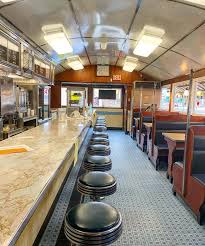
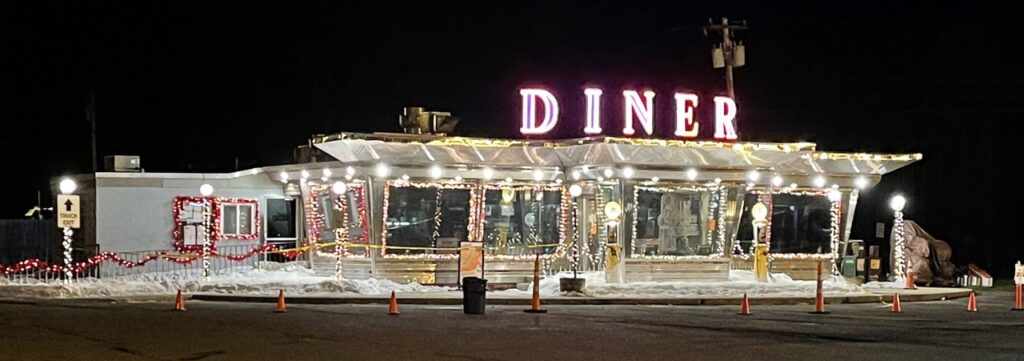
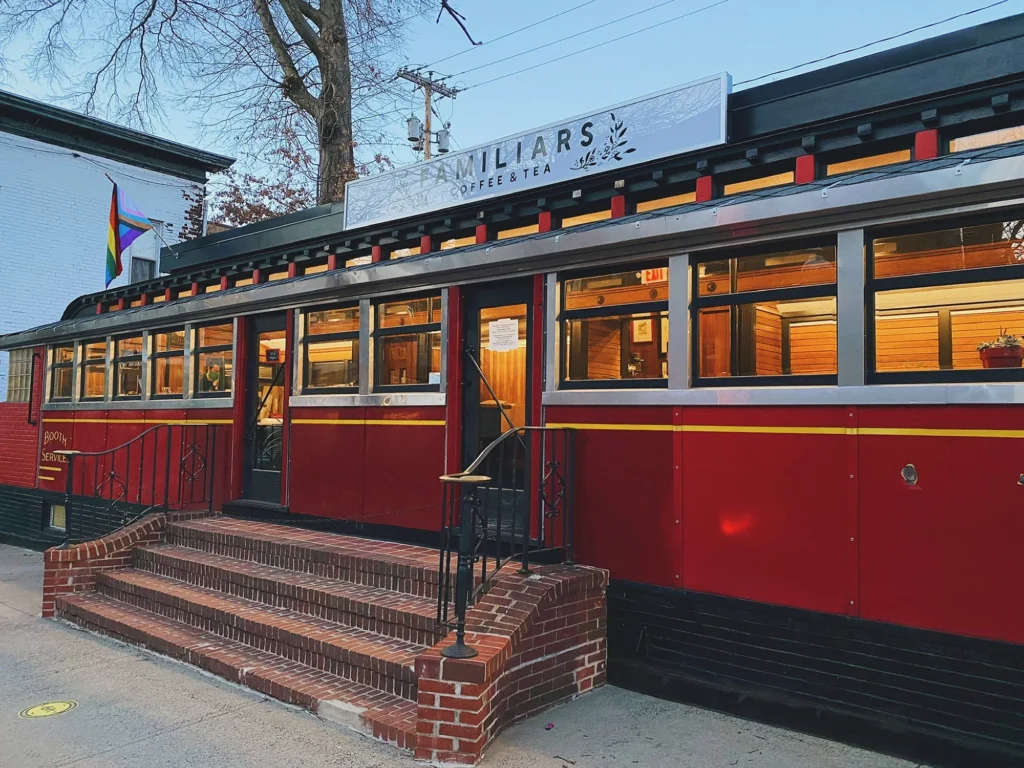
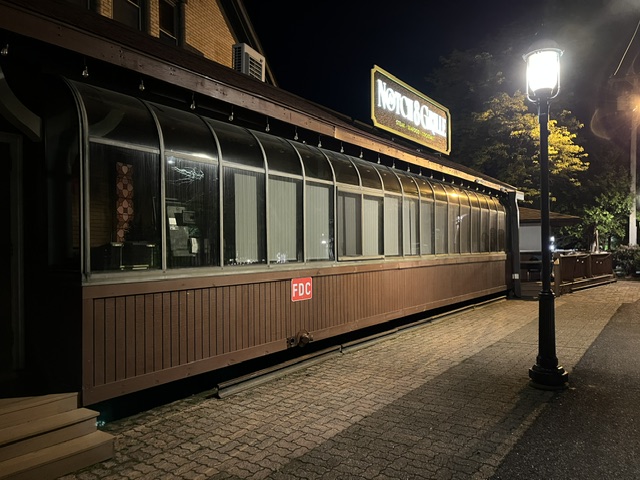
Still others include the Earlee Mug in Granby, Scotti’s in Leeds (attached to a local putting green and golf course), the Williamsburg Snack Bar, and the Spruce Corner Restaurant in Goshen. However, not all of these are located in purpose-built diners. Leo’s Table in South Deerfield, for example, serves diner-style food but is housed on the corner of a historic block that also includes the local package store and deli, Ciesluk’s. Readers will rightly insist on also mentioning the Stables in Hadley, the Roadhouse Cafe in Belchertown, the Easthampton Diner on the Manhan Rail Trail, the Fifties Diner in Chicopee, and Wolfie’s in South Deerfield.
Digging deeper into the significance of the diner, we find a connection to the aesthetics of early automobile travel in this country. While the nation was still segregated by race, the second half of the 20th century signaled a period of greater freedom to travel for many Americans. By this time, railroad and electric trolley lines had swept across the country, linking people and freight throughout the towns and villages of the Valley, including nearby Hadley, where trolley, road, and rail bridges crossed the Connecticut River. Rail and automobile traffic inspired countless architectural expressions of motion, speed, and efficiency.
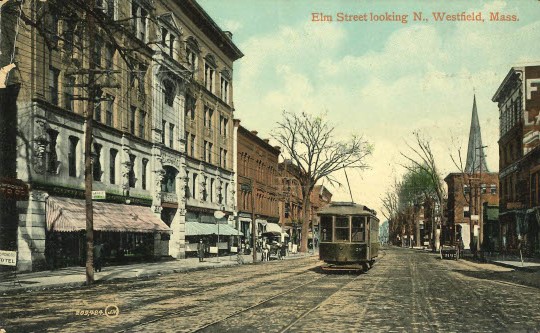
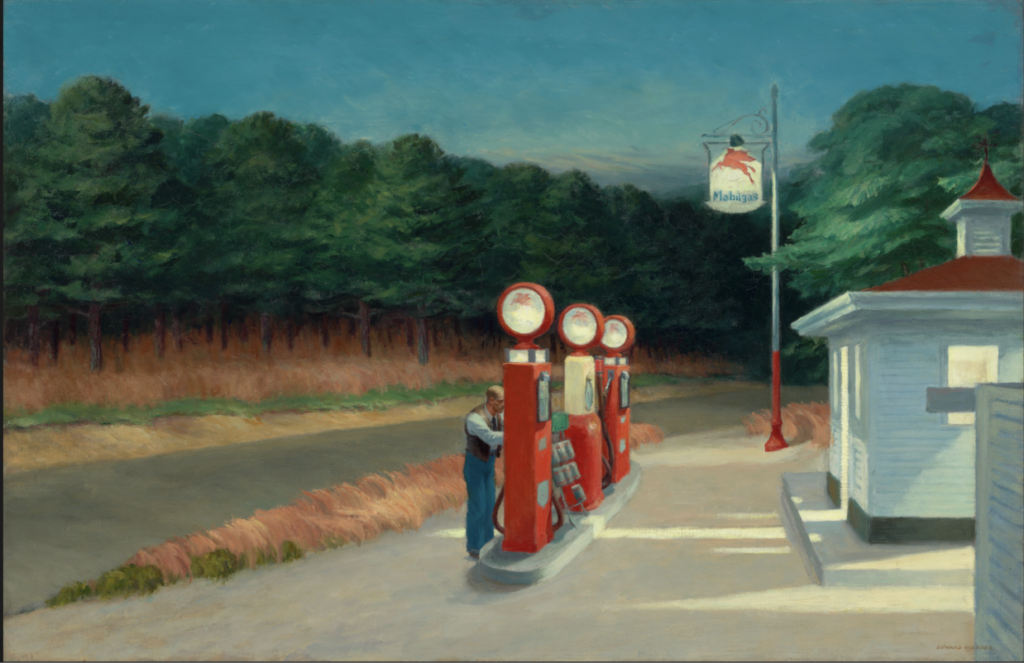
It is possible to think about diners within this wider context, seen in the proliferation of roadside attractions such as drive-in movie theaters, motor courts for overnight stays, milk bars and ice cream parlors, tearooms and souvenir shops (like the famous Sweetheart Tea Rooms on Route 2 in Shelburne), and, of course, roadside gas stations that often look like something straight out of an Edward Hopper painting. Take yourself back to a time set for a summer vacation on the coast of Maine, where all these amenities proliferated — though they were also present right here in the Valley.
While our diners resembled streetcars or the colorful food trucks we love today, their charm lies in serving up memories as well as meals. They are democratic destinations, holding their own despite fast-food chains, drive-thrus, and delivery apps. Pie and ice cream, coffee or tea in those very distinctive mugs (each with its own special design history), a short stack of pancakes or waffles, or a plate of comfort food served with coleslaw and fries — all are potent sensory emblems of Americana. The diner in Pawtucket that I frequented in the late 1980s was listed in the National Register of Historic Places in 1978, the first diner to be so honored in the categories that embraced more modern and Modernist architecture.
Shady Glen in Turners Falls was so well-known for owner John’s fried oysters that lines of hungry customers were out the door on every “oyster” day. Alas, the day that John sold his diner there were no more lines. John, his pie-baker wife, his Russian cooks, waitresses in addition to turkey pot pies remain wonderful memories.
It received national recognition as serving the best diner food in the long defunct, New England Monthly magazine.
Ah, yes, Hilda, that is because it was originally a “Tastee Freez” soft-serve ice cream place rather than a diner. But I agree! It changed its menu but not its appearance too much in the early 60s. Your description makes it sound like a real community destination. “Shady Glen Diner in Turners Falls, in northwestern Massachusetts, is a local landmark. Originally a soft-serve (known as “creams” in these parts) ice cream joint, it became a drive-in diner in 1963.” https://explorepartsunknown.com/massachusetts/how-one-diner-is-keeping-an-old-mill-towns-spirit-alive/
https://youtu.be/DP7tg2AQsaM?si=kPRv07GGvoUx5iqN
More on vintage “Victor” [of Victor Insulators] Diner coffee/tea mugs that originated during World War II in the Navy…here https://www.facebook.com/groups/1649755841932030/posts/3754642884776638/
https://www.ebay.com/itm/227210460348