
Amherst Will Light Town Hall Purple in Recognition of International Overdose Awareness Day
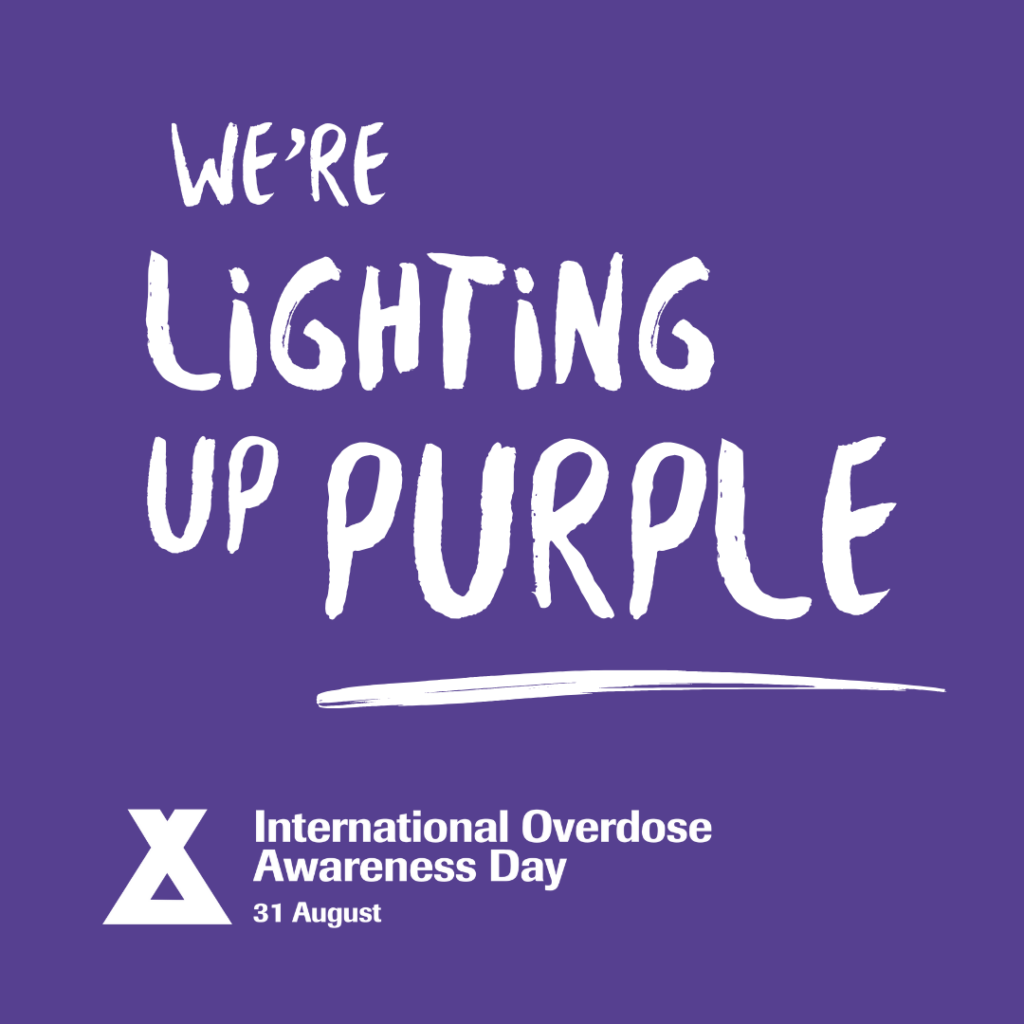
Photo: amherstma.gov
Source: amherstma.gov
The Town of Amherst will recognize International Overdose Awareness Day by illuminating Town Hall with purple lights from Friday, August 28 through next week. Purple is the color of recovery and symbolizes hope and support.
Every year on August 31, people worldwide come together to recognize International Overdose Awareness Day (IOAD). This day aims to honor and remember those who have lost their lives to overdose, to support families, friends, and loved ones who’ve been affected by the opioid crisis, and to take action to save lives. IOAD is followed by National Recovery Month, which is observed every September.
This year’s theme, “25 Years On. Still Needed,” reflects a shared global truth: overdose continues to affect people from every walk of life. Behind every statistic is a person – someone once loved and valued. And behind every loss is a ripple felt by families, friends, and communities everywhere.
Massachusetts has experienced a decline in fatal opioid overdoses for the first time in over a decade, but any loss from overdose is one too many. The Town of Amherst has taken several steps over the past few years to supplement and strengthen community resources to prevent opioid overdose. These include ensuring access to naloxone (Narcan) and launching a mini-grant program to support community-based initiatives, all funded by opioid settlement funds received by the town.
Ensuring Access to Naloxone (Narcan)
Naloxone, or Narcan, is a life-saving medication that can be used to reverse an opioid overdose. The Town of Amherst recently installed Narcan cabinets in town buildings including Town Hall, Bangs Community Center, Police Station, and the libraries. Outdoor Narcan cabinets were also installed this week in public spaces, including Triangle Park near the Bangs Community Center and Mill River Recreation Area.
The Amherst Public Health Department has also been working with Community Responders for Equity, Safety, and Service (CRESS) and other partners to distribute harm reduction kits to the community. These kits include Narcan, fentanyl testing strips, wound care supplies, gloves, condoms, and resource cards.
The Public Health Department can provide Narcan to individuals, organizations, and businesses. If interested, contact them by emailing publichealth@amherstma.gov or calling 413-259-3077.
Mini-Grant Program to Support Community-Based Initiatives
The Public Health Department has launched a mini-grant program to support community-based efforts to prevent opioid misuse, reduce overdose risk, and assist individuals and families who have been affected by the opioid crisis. Mini-grants can support harm reduction efforts; prevention activities (including evidence-based education programs and youth wellness campaigns); recovery support programs; and access to treatment.
Applications are accepted on a rolling basis. Amherst-based organizations or those serving Amherst residents are encouraged to apply. Learn more and apply for the mini-grant program.
Opioid Settlement Funds
These initiatives are being funded by opioid settlement funds received by the Town of Amherst. In 2021, Massachusetts reached settlement agreements with several opioid manufacturers, distributors, and pharmacies regarding their role in enabling the overdose epidemic. The Commonwealth is allocating settlement funds to municipalities annually through 2039 to strengthen opioid response, recovery, and prevention measures. So far, Amherst has received approximately $440,000 and conducted a survey and public forum to gather community input on how this funding should be used.
Learn more about the Town’s use of opioid settlement funds.
Additional Resources:
- Safe Spot (formerly known as Never Use Alone) – safety planning for people who use drugs: 800 972-0590
- Mass Behavioral Health Help Line – urgent care options for mental health and substance use: 833-773-2445
- Massachusetts Substance Use Helpline is available 24/7, 365 days a year to assist individuals in seeking treatment services. Call or text “HOPE” to 800-327-5050